











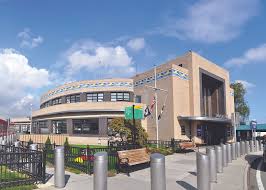
Ghost Terminal: LaGuardia’s Marine Air Terminal Sits Deserted Following Spirit Airlines Shutdown
The historic Marine Air Terminal (Terminal A) at LaGuardia Airport, a crown jewel of Art Deco aviation architecture, has fallen into an eerie silence. Following the sudden and total shutdown of Spirit Airlines in early May 2026, the terminal—which served as the carrier’s exclusive home at the airport—is currently devoid of passengers and commercial flights.
The desertion marks a somber chapter for the landmark building, which has survived decades of aviation upheaval but now faces an uncertain operational future.
A Landmark Without a Tenant
Built in 1939 to handle the “Flying Boats” of Pan American Airways, the Marine Air Terminal is a federally protected historic landmark.
-
The Spirit Monopoly: Since 2021, Spirit Airlines was the sole occupant of Terminal A. With the airline’s operations ceasing globally due to its financial collapse, the terminal’s gates, check-in counters, and security checkpoints have been mothballed.
-
The “Flying Machine” Mural: The terminal is famous for its massive “Flight” mural by James Brooks, which wraps around the circular rotunda. Today, the only people in the terminal are Port Authority police and a handful of custodial staff, leaving the historic artwork to be viewed in total solitude.
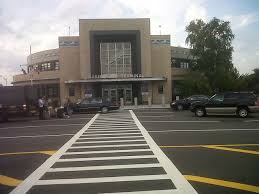
The Logistics of a Shutdown
The scene at the terminal reflects the speed of Spirit’s exit:
-
Abandoned Infrastructure: Self-service kiosks still display the Spirit logo, and digital signage remains frozen on canceled flight schedules from the day of the shutdown.
-
Ground Equipment: Dozens of Spirit-branded baggage tugs and boarding ramps are currently parked idle on the tarmac outside the terminal’s six gates.
-
Transit Disruption: The Port Authority has suspended the dedicated shuttle buses that previously ferried passengers between the Marine Air Terminal and the main airport complex (Terminals B and C).
What Happens to Terminal A?
The Port Authority of New York and New Jersey is now faced with the task of finding a new tenant for one of the most unique—but logistically challenging—terminals in the country.
-
Space Constraints: Unlike the billion-dollar “New LaGuardia” (Terminals B and C), Terminal A is small and lacks the modern baggage handling systems required by major legacy carriers.
-
Boutique Potential: Aviation analysts suggest the terminal may be best suited for a “premium” or regional carrier, such as Breeze Airways or JSX, which utilize smaller aircraft and prioritize a “private jet” experience for passengers.
-
Preservation Concerns: Because of its landmark status, any new tenant will be strictly limited in how they can renovate or modify the space, preserving the 1930s aesthetic but making modern tech integration difficult.
The “Marine Air” Legacy
The terminal’s name comes from its original purpose: serving the Boeing 314 Clipper, a massive seaplane that landed in the waters of Bowery Bay. It remains the only active airport terminal in the United States dating from the first “Golden Age” of aviation.