










Beyond Biodiversity: The Tragic Link Between Vulture Loss and 100,000 Deaths
Frontline Investigation: The Vulture Crisis and Human Health
Published on March 26, 2025 (and updated in early 2026), this Frontline report explores the devastating fallout of India’s vulture population collapse. What began as a wildlife tragedy—the loss of 40 million birds—has evolved into a case study on how biodiversity loss directly endangers human life and livelihoods.
The Catastrophic Decline (1990s–Present)
The decline of vultures in India is cited as the fastest for any bird species in recorded history.
-
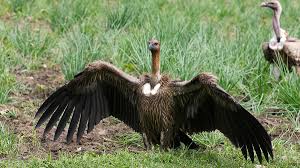
The Numbers: From a population of 40 million in the 1980s, the three primary species—the white-rumped, long-billed, and slender-billed vultures—saw their numbers whittle down to just 0.1% of their original population by 2007.
-
The Culprit: The primary cause was Diclofenac, a common painkiller used by dairy farmers for cattle. When vultures scavenged on cattle carcasses containing the drug, they suffered acute kidney failure and died within weeks.
The “Shock to Sanitation” & Human Toll
The Frontline report highlights a groundbreaking study published in The American Economic Review (2024/2025) which quantified the human cost of this ecological void.
-
Mortality Rates: Between 2000 and 2005, the collapse of vultures is linked to the deaths of no fewer than 104,386 people in India.
-
Sanitation Breakdown: A group of vultures can reduce a cow carcass to bone in 40 minutes. Without them, carcasses were left to rot, releasing faecal coliform into water sources and lowering dissolved oxygen levels.
-
The Feral Dog Surge: The abundance of uneaten carrion led to an explosion in the feral dog population, which in turn caused a massive spike in human rabies cases across the country.
The 2026 Conservation Roadmap
India is now at a critical juncture in its recovery efforts, moving beyond just banning drugs to active rewilding.
-
The Captive Breeding Success: In early 2021, the first captive-bred chicks began hatching at the Vulture Conservation and Breeding Centre (VCBC) in Pinjore.
-
Tag and Release: In late 2025, several white-rumped vultures (including the famous “N11”) were fitted with GSM tags and released into the Tadoba-Andhari Tiger Reserve in Maharashtra to monitor their survival in the wild.
-
Expanding the Ban: Following the 2006 ban on Diclofenac, India further banned other toxic veterinary drugs like Ketoprofen and Aceclofenac in August 2023 to secure the “Vulture Safe Zones.”