






The New Delhi Pivot: Why Araghchi’s BRICS Visit is a Warning to the UAE
The Hindu Report: Iran’s Abbas Araghchi at the BRICS FM Meet
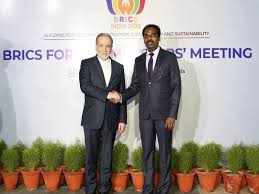
On Thursday, May 14, 2026, Iranian Foreign Minister Abbas Araghchi arrived in New Delhi to participate in the high-stakes BRICS Foreign Ministers’ Meeting. Hosted by India’s External Affairs Minister Dr. S. Jaishankar, the summit comes at a time of extreme friction within the expanded 10-member bloc.
The UAE-Israel Conflict Takes Center Stage
While the summit’s official theme is “Building for Resilience, Innovation, Cooperation and Sustainability,” the underlying narrative is one of deep regional betrayal.
-
The “Collusion” Accusation: Araghchi’s arrival follows a social media firestorm where he warned that the UAE would be “held to account” for alleged collusion with Israel. This comes after reports from Prime Minister Benjamin Netanyahu’s office disclosed a secret wartime visit to Abu Dhabi.
-
Face-to-Face Confrontation: Araghchi is scheduled to meet the UAE Minister of State for Foreign Affairs today. Tensions are at a breaking point, with Iran accusing a “neighboring BRICS member” (widely understood to be the UAE) of blocking a joint statement that would condemn Israeli and U.S. military strategies.
The “Hormuz Protocol”: No More Free Services
On the sidelines of his arrival, Iranian officials, including Deputy Foreign Minister Kzen Gharibabadi, signaled a major shift in maritime policy:
-
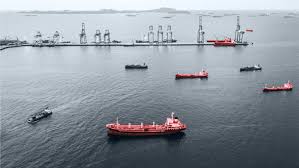
The End of Free Transit: Iran stated it has provided “free of charge services” to international shipping in the Strait of Hormuz for decades but is now finalizing a financial protocol.
-
The “Hormuz Tax”: This new protocol will include a financial component to cover costs Iran incurs for maintaining “safe navigation.” This move is seen as a direct lever to pressure global economies affected by the ongoing blockade.
India’s Role: The Neutral Bridge
As the host of the BRICS@20 sessions, India is walking a diplomatic tightrope:
-
The Attendance: While Russia’s Sergey Lavrov is attending in person, China’s Wang Yi has skipped the meet, sending an envoy instead due to high-stakes talks with the U.S. in Beijing.
-
The Agenda: Dr. Jaishankar’s opening statement emphasized that “stability cannot be selective,” calling for a sustained ceasefire in Gaza and a two-state solution, while pointedly mentioning that cross-border terrorism remains a “zero-tolerance” norm.