







Global Markets Pulse: Record-Breaking AI Rally in Asia Meets Cautious Optimism in Europe
On May 6, 2026, global financial markets experienced a day of stark contrasts and historic milestones. While South Korea witnessed a “generational” rally in technology, European and North American markets navigated a complex landscape of easing geopolitical tensions and a deluge of corporate earnings.
The primary narrative across all trading floors was the “de-risking” trade, as the prospect of peace in the Middle East began to pull the “war premium” out of energy prices.
Asia: The 7,000 Milestone and a New Trillion-Dollar King
The Asia-Pacific region provided the day’s most dramatic headlines, led by a blistering performance in South Korea:
-
The KOSPI Breakout: South Korea’s benchmark index surged over 6%, shattering the 7,000-point psychological barrier for the first time in history.
-
Samsung Joins the $1 Trillion Club: Shares of Samsung Electronics jumped 14.4%, catapulting the firm’s market capitalization above $1 trillion. This makes Samsung only the second Asian company (after TSMC) to reach this valuation, fueled by an unprecedented global rush for AI-capable HBM memory chips.
-
The “Sidecar” Intervention: The rally was so intense that South Korean regulators briefly triggered a “sidecar” trading halt—a rare emergency measure used to calm the market during extreme volatility.
Europe: Peace Hopes Drive “Green” Screens
In Europe, the pan-European STOXX 600 climbed 1%, marking its second consecutive day of gains. The mood was bolstered by a rare sense of geopolitical relief:
-
The “Trump Progress” Effect: European indices tracked higher after U.S. President Donald Trump cited “great progress” toward a deal with Iran. For energy-dependent Europe, the prospect of reopening the Strait of Hormuz is a massive tailwind for industrial productivity.
-
Earnings Standouts:
-
Novo Nordisk: The Wegovy manufacturer climbed 7% after reporting a massive Q1 beat and raising its full-year guidance.
-
Ørsted: The offshore wind giant beat profit forecasts, signaling that the “green transition” remains resilient despite a volatile high-rate environment.
-
Commodities: The Unwinding of the “War Premium”
The commodity markets saw a significant “cooling” as traders reacted to the diplomatic signals from Washington and Tehran:
-
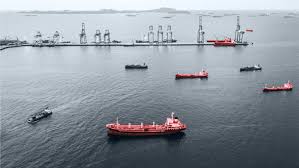
Oil Retreats: Brent Crude fell toward $81 a barrel, a significant drop from the “Strait of Hormuz Blockade” highs. Analysts noted that the market is now pricing in a return to normal shipping flows.
-
Gold’s Paradox: Gold remained near its April peak, proving that while war fears are easing, many investors still view the metal as a necessary hedge against 2026’s “sticky” inflation.
-
Jet Fuel Crisis: Despite the price dip, the airline industry remains under extreme pressure. Jet fuel prices have doubled since the start of the Iran conflict, leading to the cancellation of nearly 2 million airline seats for the upcoming summer season.
Macro Outlook: The “Soft Landing” Remains in Play
As the market digest these moves, the broader economic outlook for mid-2026 remains cautiously optimistic:
-
The “AI Glue”: Record-breaking earnings from AMD and Samsung suggest that the AI boom is not a bubble, but a structural shift that is providing a floor for global equity valuations.
-
The Inflation Watch: All eyes are now on the U.S. Consumer Price Index (CPI) report due later this week. If inflation shows signs of cooling alongside the de-escalation in the Middle East, markets are expected to price in a definitive interest rate cut for September.