






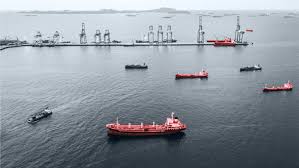
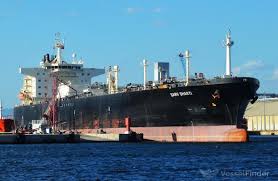
The Great “Gas-by”: India’s High-Stakes Hormuz Crossing
In a dramatic development for India’s energy security, the 45,000-tonne LPG tanker Sarv Shakti successfully navigated the Strait of Hormuz on Saturday, May 2, 2026. This transit is being hailed as a major breakthrough during a historic energy crisis triggered by the ongoing West Asia conflict.
1. Why “Sarv Shakti” Matters
The Sarv Shakti is not just another ship; it represents a critical win in India’s battle to keep kitchen fires burning during a wartime blockade.
-
The First in Weeks: It is the first India-linked LPG tanker to successfully exit the Strait since the U.S. enforced a blockade on April 13, 2026, which had effectively reduced traffic through the chokepoint to zero.
-
Safety Protocols: While crossing, the vessel broadcasted “India/Indian crew” on its Automatic Identification System (AIS). This is a vital security measure intended to signal non-hostility to Iranian forces patrolling the waters.
-
The Buyer: The cargo, loaded via a ship-to-ship transfer near Dubai, is reportedly bound for the Indian Oil Corporation (IOC) to alleviate domestic shortages.
2. The “Ecological & Economic Trap”
The Strait of Hormuz is currently the most dangerous maritime corridor in the world. India’s reliance on this route is a massive strategic vulnerability:
-
The 90% Factor: A staggering 90% of India’s LPG imports pass through this narrow waterway. When the Strait closes, India loses over half of its total daily cooking gas consumption.
-
Hazard Zones: The ship had to follow a specific “Iran-approved” route, hugging the Iranian coastline to avoid “hazard zones” near the Oman coast that are suspected of being mined.
-
The “Going Dark” Tactic: During the transit, the Sarv Shakti reportedly “went dark” (switched off its transponder) for several hours to avoid electronic interference or detection during the most sensitive parts of the crossing.
3. India’s War-Footing Response
With the West Asia war beginning on February 28, 2026, the Indian government has moved to a “war-footing” to manage fuel supplies.
-
Domestic Surge: India has managed to ramp up domestic LPG production by 60% (to 54,000 tonnes/day), but a massive gap remains as daily demand sits at 80,000 tonnes.
-
Priority Berthing: Indian ports have been ordered to prioritize LPG tankers over all other cargo, including crude oil, to prevent a total collapse of the domestic cooking gas supply chain.
-
Price Shocks: Despite these efforts, commercial LPG prices in India saw a record ₹993 hike in early May, reflecting the extreme cost of securing “war-risk” shipping.
Snapshot: India’s Energy Dependence (May 2026)
| Fuel Type | % Passing Through Hormuz | Impact of Blockade |
| LPG (Cooking Gas) | 90% | Critical: Triggers domestic rationing. |
| LNG (Natural Gas) | 50%+ | High: Impacts industrial/power sectors. |
| Crude Oil | 40% | Moderate: Mitigation through strategic reserves. |