










How Overheating is Suffocating Sharks and Tuna
Suffocating in the Deep: The Warming Crisis for Apex Predators
A report by Species Unite in May 2026 highlights a dire physiological crisis facing the ocean’s most iconic predators: Sharks and Tuna. While overfishing remains a massive threat, the accelerating “overheating” of the global oceans is fundamentally altering the chemistry of the water, making it increasingly difficult for these species to survive.
The Science: Why They Can’t Breathe
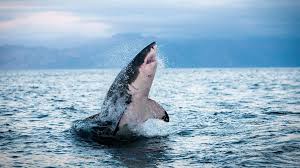
Sharks and tuna are “ram ventilators,” meaning they must constantly swim forward with their mouths open to push oxygen-rich water over their gills.
-
The Oxygen Squeeze: Warmer water holds significantly less dissolved oxygen than cold water. As temperatures rise, the “breathable” layers of the ocean are shrinking.
-
Metabolic Demand: Ironically, as the water gets warmer, the internal metabolism of these fish speeds up, meaning they actually need more oxygen just as it becomes less available.
-
The Habitat Compression: Large predators are being forced out of the deep, cool, low-oxygen zones and pushed into a narrow band of warm water near the surface.
The “Surface Trap” for Industrial Fishing
This climate-driven migration creates a deadly advantage for commercial fishing:
-
Increased Density: Because the fish are “compressed” into the top layers of the ocean, they are packed more tightly together.
-
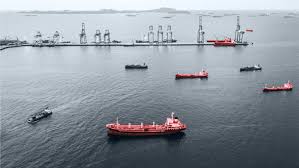
High Visibility: This makes it significantly easier for long-line and purse-seine fishing vessels to spot and catch entire schools at once.
-
Vulnerability: Fish that are already “oxygen-stressed” are less likely to survive the trauma of being caught and released (bycatch), leading to higher mortality rates even for protected species.
2026 Global Impact: The Trophic Cascade
The loss of these apex predators isn’t just about the fish themselves; it triggers a “Trophic Cascade” throughout the marine food web:
-
Mesopredator Explosion: Without sharks to keep them in check, mid-sized fish populations explode, over-consuming smaller prey and collapsing local biodiversity.
-
Economic Collapse: Many island nations, including parts of Lakshadweep and the Maldives, rely on sustainable tuna fishing for their GDP. A collapse in tuna stocks threatens the food security and economy of millions.