











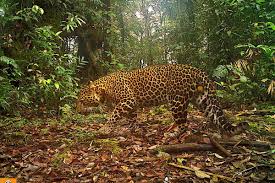
Can a Reforestation Revolution Save the Javan Leopard?
The Fragmented Reality
The study highlights that while Java still has protected national parks, they are separated by vast stretches of agricultural land and human settlements.
-
Genetic Isolation: Leopards in one park cannot reach mates in another, leading to inbreeding and a weakened gene pool.
-
Edge Effects: Forced to live on the fringes of forests, leopards often wander into villages to prey on livestock, leading to retaliatory killings.
-
The 2026 Milestone: Current estimates suggest fewer than 350 adults remain, making every “corridor” a literal lifeline.
How Reforestation Changes the Game
The researchers propose a “Connectivity Model” that focuses on three key areas:
-
Stepping Stones: Instead of massive forests, planting smaller “nodes” of native trees that leopards can use as temporary cover while moving between larger habitats.
-
Agroforestry Integration: Encouraging farmers to grow shade-grown coffee and cacao. These “forest-like” farms provide enough canopy cover for leopards to move through undetected, providing a buffer zone between deep jungle and villages.
-
Riparian Restoration: Replanting trees along riverbanks. These natural pathways are the preferred travel routes for leopards and are often the easiest areas to reforest without encroaching on prime farmland.
The Role of Community-Led Conservation
The Mongabay report emphasizes that reforestation only works if local communities are “invested in the leopard.”
-
Sustainable Livelihoods: By promoting eco-tourism and leopard-friendly coffee brands, the “value” of a living leopard increases for the local population.
-
Conflict Mitigation: The study suggests using AI-powered camera traps to provide “early warnings” to villagers when a leopard is near, allowing for non-lethal deterrents to be used.