










The Last Frontier: Unlocking the Ancient Majesty of the Kimberley
The Kimberley region of Western Australia is one of the world’s last great wildernesses—a sprawling, rugged expanse three times the size of England with a population density of nearly zero. As featured by Natural Habitat Adventures on May 7, 2026, the Kimberley is a land of dramatic “vertical landscapes,” ancient cultures, and biological anomalies that defy traditional classification.
1. A Geologic Masterpiece
The Kimberley is defined by its staggering red-rock geology, which tells a story 1.8 billion years in the making.
-
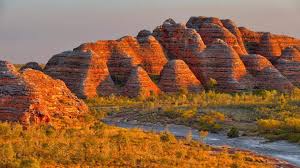
The Bungle Bungles: In Purnululu National Park, the iconic orange-and-black striped sandstone “beehives” dominate the horizon. These formations remained hidden from the outside world until the 1980s.
-
Horizontal Falls: Described by David Attenborough as “one of the greatest natural wonders of the world,” these are not actually waterfalls but massive tidal surges forced through narrow mountain gaps, creating a horizontal “rush” of water that reverses with the tide.
2. The Cradle of Ancient Art
The Kimberley houses what many archaeologists believe to be the oldest continuous rock art traditions on the planet.
-
Gwion Gwion (Bradshaw) Art: Elegant, elongated figures that predate the last Ice Age, offering a glimpse into a sophisticated society from tens of thousands of years ago.
-
Wandjina Figures: Large-eyed, mouthless spirit beings painted on cave walls that represent the creators of the land and controllers of the monsoonal rains. For the Traditional Owners, these are not just “paintings” but living spirits.
3. A Wildlife Sanctuary of Extremes
Isolation has allowed the Kimberley to become a stronghold for species that have struggled elsewhere in Australia.
-
The Saltwater Giant: The region is home to massive populations of Saltwater Crocodiles, which can be found basking on the muddy banks of the Fitzroy River or navigating the turquoise coastal waters.
-
Unique Flora: The Kimberley is the “Baobab Capital” of Australia. The distinctive, bulbous Boab trees are cousins to the African species and are considered sacred markers of water and history by the local Indigenous communities.
4. Conservation and the “Blue Carbon” Future
As we move through 2026, the Kimberley is at the center of a global conversation regarding “Blue Carbon” and Indigenous-led conservation.
-
Marine Parks: Recent years have seen a massive expansion of the Great Kimberley Marine Park, protecting coral reefs that are proving more resilient to warming temperatures than those on the East Coast.
-
Indigenous Rangers: The “Working on Country” program has empowered local Indigenous rangers to manage fire regimes and invasive species, using a blend of “cool-burn” traditional fire knowledge and modern satellite mapping.