











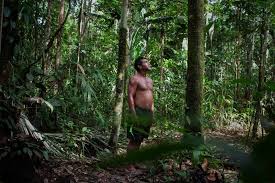
The Heart of Conservation: Why Local Communities Are the New Frontline for Wildlife Protection
For decades, the standard model of conservation was “fortress-based”—fencing off land and keeping humans out. However, a major report from the World Wildlife Fund (WWF) on May 7, 2026, argues that this era is over. The future of the planet’s biodiversity now rests in the hands of the people who live closest to it. Without the leadership and partnership of local and Indigenous communities, large-scale environmental goals are destined to fail.
1. Indigenous Stewardship: The Proof in the Numbers
Data increasingly shows that the most intact ecosystems on Earth are those managed by Indigenous peoples.
-
The 80% Factor: While Indigenous territories cover only about 25% of the world’s land, they contain 80% of its remaining biodiversity.
-
Traditional Knowledge: Local communities possess “centuries-deep” understanding of seasonal patterns, medicinal plants, and animal behaviors that modern satellite data cannot replicate.
2. From “Stakeholders” to “Rights-Holders”
The WWF highlights a critical shift in how conservation organizations must interact with local populations.
-
Ownership Matters: True conservation happens when communities have legal land rights. When people own the land, they have a direct incentive to protect it from illegal logging, poaching, and mining.
-
Inclusive Economics: For conservation to be sustainable, it must provide a livelihood. This includes community-led eco-tourism, sustainable harvesting of forest products, and direct payments for ecosystem services.
3. The “Human-Wildlife” Conflict Solution
As habitats shrink, animals and humans are living closer together than ever.
-
Community-Led Mitigation: Rather than calling in outside “experts,” local teams are being trained to use non-lethal deterrents (like beehive fences or flashing lights) to keep elephants or predators away from crops and livestock.
-
The “Guardian” Model: Local residents are being employed as “community rangers,” turning potential poachers into protectors who have a salary and a sense of pride in their local heritage.
4. Global Policy: The 30×30 Target
The global goal to protect 30% of the Earth’s land and sea by 2030 (the “30×30” initiative) cannot be met through government mandates alone.
-
Bottom-Up Conservation: The WWF is calling for international funding to be channeled directly to community-based organizations rather than being filtered through large bureaucratic layers.
-
Climate Resilience: Communities that are empowered to manage their natural resources are better equipped to handle the extreme weather events of the 2020s, as healthy ecosystems act as natural buffers against floods and fires.