











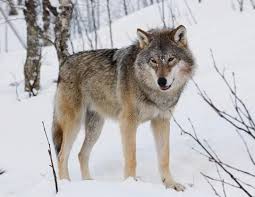
Silent Killers: Investigation Launched into Mass Wolf Poisonings in Italy’s Abruzzo National Park
A wave of shock and anger has swept across Italy following the discovery of a large-scale poaching incident in the Abruzzo, Lazio, and Molise National Park. As reported in early May 2026, authorities have launched a criminal investigation after at least nine wolves were found dead, the victims of intentional and systematic poisoning.
The incident, described by conservationists as a “calculated act of slaughter,” represents a significant blow to one of Europe’s most successful carnivore recovery programs.
The Crime Scene: A “Poison Path”
The grim discovery was made by park rangers and specialized anti-poaching units during a routine patrol near the town of Scanno.
-
The Method: Forensic teams discovered “poisoned baits”—pieces of meat laced with a cocktail of highly toxic pesticides and strychnine. These baits were strategically placed along known wolf corridors to ensure maximum impact on the local packs.
-
The Toll: In addition to the nine wolves, several birds of prey and other scavengers were found dead, illustrating the indiscriminate and devastating nature of the “poison path.”
-
Criminal Investigation: The Italian Carabinieri’s Forest Unit is leading the investigation. They are currently analyzing DNA evidence and tracking the chemical signatures of the pesticides to identify the source of the toxins.
The “Conflict Zone”: Farmers vs. Predators
While no suspects have been formally charged, the investigation is focusing on the long-standing tensions between local livestock farmers and the park’s predator populations.
-
Economic Pressure: Despite government compensation programs for livestock lost to wolves, many farmers argue that the payments are insufficient and delayed, leading some to take “vigilante” action.
-
The “Wolf Recovery” Backlash: The Italian wolf population has made a remarkable recovery over the last two decades. However, as wolves expand their territory into areas that have been predator-free for generations, the cultural and economic friction has intensified.
A Threat to Biodiversity and Tourism
Abruzzo National Park is often cited as a global model for “Coexistence.” This incident threatens not only the local ecosystem but also the region’s economy.
-
The Keystone Species: Wolves play a vital role in maintaining the balance of the park by controlling populations of wild boar and deer. Their removal can trigger a “trophic cascade” that degrades the forest’s health.
-
Tourism Impact: The region is a premier destination for “wolf-watching” and eco-tourism. Local business owners have joined conservationists in condemning the killings, fearing that the park’s reputation as a safe haven for wildlife is being tarnished.
National Outrage and Legislative Calls
The Italian Minister of the Environment has condemned the acts as “cowardly and barbaric.”
-
Stricter Penalties: Conservation groups, including Species Unite and WWF Italy, are calling for an immediate update to the “No-Poison” laws, demanding mandatory jail time for those convicted of using toxic baits.
-
Surveillance Boost: In response to the killings, the park has announced the deployment of more high-tech surveillance drones and a permanent increase in the number of canine units trained to detect poison before wildlife can reach it.