











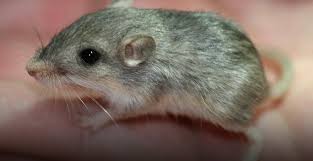
Genetic Resilience: The Pacific Pocket Mouse vs. Climate Change
A groundbreaking study published on April 17, 2026, in Science Advances and covered by Science News offers a rare “cautiously optimistic” look at one of North America’s most endangered mammals. The research reveals that the Pacific pocket mouse isn’t just a fragile victim of habitat loss—it is actively evolving to survive a warming world.
1. The Survival of a “Ghost” Species
The Pacific pocket mouse (Perognathus longimembris pacificus) was thought to be extinct for over 20 years before being rediscovered in 1994. Today, it survives in only three tiny, isolated populations south of Los Angeles.
-
The Inbreeding Trap: Typically, when a population becomes this small, it loses the genetic diversity needed to adapt to new threats. It becomes “genetically stagnant,” leading to a downward spiral toward extinction.
-
The Discovery: By comparing the genomes of modern mice with museum specimens collected over the last 100 years, researchers found something unexpected: 14 specific genes related to temperature regulation and water balance have remained diverse and are actively shifting.
2. Adaptive Genetics: Heart and Hydration
The 14 genes identified by the San Diego Zoo Wildlife Alliance aren’t just random markers; they are functional tools for climate survival.
-
Heart Function: Several genes are linked to cardiovascular health, which is critical for helping the tiny rodents dissipate heat during Southern California’s increasingly frequent heatwaves.
-
Moisture Management: Other genes help the mice maintain their water balance, allowing them to thrive in the more arid, drought-prone conditions predicted for the California coast.
-
The “Mixed” Benefit: The study looked at a population reintroduced to the wild from a conservation breeding program. Because these mice were “mixed” from different genetic lines, they showed even faster adaptation to their new environment than the isolated wild groups.
3. The Human Barrier: Why Genetics Isn’t Enough
While the mice have the ability to adapt, human infrastructure is physically blocking their evolution.
-
Island Habitats: Urbanization has turned the remaining mouse habitats into “islands.” Because a mouse can’t cross a six-lane highway to find a mate from another population, they cannot naturally share these beneficial “climate-hardy” genes.
-
Assisted Migration: Scientists are now advocating for “Genomic-Informed Conservation.” This involves manually moving mice between the three isolated populations to ensure that a “good” heat-resistant gene found in one group can be shared with the others before it’s lost.
Pacific Pocket Mouse Profile (2026)
| Metric | Status |
| Population Size | Critically Endangered (Only 3 wild groups) |
| Adaptation Potential | High (14 genes identified for climate resilience) |
| Main Physical Threat | Habitat fragmentation and urban barriers |
| Conservation Goal | Mixing genetic lines to prevent “Adaptive Stagnation” |