











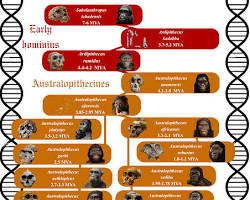
Humans Are Still Evolving: The Surprising Surge in Genetic Change
Far from being a “finished product,” a massive study published in Nature in April 2026 confirms that human evolution has actually accelerated over the last 10,000 years. By analyzing ancient DNA from nearly 16,000 individuals across West Eurasia, researchers found that the transition from hunting and gathering to farming created powerful new environmental pressures that are still molding our DNA today.
1. The Red Hair and Skin Color Connection
The study highlights a significant spike in genetic variants linked to red hair and lighter skin tones over the last 4,000 years.
-
The Vitamin D Hypothesis: Scientists believe that as early farmers moved into northern climates with less sunlight, lighter skin became an evolutionary advantage. Pale skin and red hair (linked to the MC1R gene) allow the body to absorb Vitamin D more efficiently in low-light environments.
-
The “Hitchhiking” Gene: Interestingly, red hair might not have been the direct target of evolution. Because genes often sit close together on a chromosome, the red hair variant may have simply “hitched a ride” alongside another beneficial trait that was being favored by natural selection.
2. Hair Loss and Appearance
One of the more unexpected findings was a recent evolutionary push for less male-pattern baldness.
-
Selective Advantage: While the exact reason remains a mystery, the genetic variants that protect against thinning hair have increased in frequency. This suggests that in recent human history, these traits may have been tied to reproductive success or health markers that we are only beginning to understand.
3. The “Cost” of Evolution: Disease Risks
Natural selection isn’t always about “improvement”; it’s about survival in a specific environment, which can sometimes have negative side effects.
-
Celiac Disease: The same genetic changes that helped early humans adapt to new diets and environments also led to an increased risk of celiac and Crohn’s disease.
-
The Protective Edge: On the positive side, the study found that evolution has favored genes that provide resistance to historical killers like leprosy and HIV, as well as a lower susceptibility to alcoholism and schizophrenia.
4. Why Evolution Is Speeding Up
The shift to agriculture—often called the “Neolithic Revolution”—changed everything for our species:
-
New Diets: Moving from wild game to grains and dairy required rapid genetic adaptations (like the ability for adults to digest milk).
-
Crowded Living: Living in permanent settlements with livestock exposed humans to new pathogens, sparking a massive “arms race” between our immune systems and diseases.
-
Larger Populations: More people means more mutations. A larger “gene pool” provides more opportunities for beneficial mutations to appear and spread quickly through a population.
5. A Living Record
Previously, scientists could only see the “scars” of evolution by looking at modern DNA. Now, by comparing ancient DNA directly to modern samples, they can watch selection happen in “real time” across centuries. This research isn’t just about the past; it’s a tool for the future, helping doctors identify which genes are most critical for our health and how we might one day use gene therapy to treat modern ailments.