











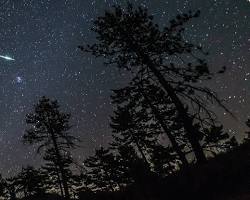
Catch the Glow: Your Guide to the 2026 Eta Aquarid Meteor Shower
Stargazers are in for a treat this May as the Eta Aquarid meteor shower prepares to light up the night sky. Known for its speed and “long trains” of light, this annual event offers a unique connection to history, as the meteors we see are actually debris left behind by the famous Halley’s Comet. Whether you are a veteran astronomer or a casual observer, the 2026 showing promises to be a highlight of the spring season.
Why This Year is Special
The 2026 Eta Aquarids are expected to peak during the first week of May. Unlike some years where a bright moon washes out the view, the lunar cycle this year is favorable. With a thin crescent moon setting early, the sky will remain dark during the prime viewing hours, making it much easier to spot the fainter “shooting stars” that might otherwise be missed.
What to Expect: Speed and Persistence
The Eta Aquarids are not your average meteors. They are incredibly fast, hitting Earth’s atmosphere at roughly 148,000 miles per hour. This high velocity often creates “persistent trains”—glowing bits of debris that stay visible for several seconds after the meteor itself has vanished.
Best Viewing Times and Locations
While the shower is visible from both hemispheres, those in the Southern Hemisphere typically get the best show because the “radiant” point (the spot in the sky where the meteors seem to originate) rises higher in their sky. However, observers in the Northern Hemisphere can still see plenty of action.
-
Peak Dates: Aim for the late-night hours of May 5 into the early morning of May 6.
-
The Golden Hour: The best time to look up is usually in the few hours just before dawn, once the constellation Aquarius has risen above the horizon.
-
Look Away: You don’t need to stare directly at Aquarius; meteors can appear anywhere in the sky. In fact, looking slightly away from the radiant point often reveals meteors with longer tails.
Tips for a Successful Watch
You don’t need a telescope or binoculars to enjoy a meteor shower—your eyes are the best tool for the job. To maximize your experience:
-
Escape the Lights: Get as far away from city streetlights as possible. Darker skies are the secret to seeing the most meteors.
-
Let Your Eyes Adjust: Give your eyes at least 20 to 30 minutes to adapt to the darkness. Avoid checking your phone during this time, as the bright screen will reset your night vision.
-
Get Comfortable: Use a reclining chair or a blanket on the ground. You’ll want to be looking up for a while, so staying comfortable is key.
As Halley’s Comet orbits the sun, it leaves a trail of dust in its wake. Every year, Earth passes through this trail, giving us a spectacular reminder of our place in the solar system. Don’t miss your chance to see these ancient pieces of space history burn bright in our atmosphere.