









The Silent Crisis: Ending the Exploitation of Our Marine Wildlife
The Reality of Life in a Tank One of the most visible forms of marine exploitation is the multibillion-dollar dolphin and whale entertainment industry. While advertised as “educational,” these venues often keep highly intelligent, wide-ranging predators in concrete tanks that are a fraction of the size of their natural territories.
-
The Toll of Captivity: Large marine mammals like orcas and dolphins rely on sonar to navigate. In a tank, their signals bounce off the walls, leading to immense psychological stress and repetitive, abnormal behaviors.
-
Artificial Social Groups: In the wild, pods are formed by deep family bonds. In captivity, animals from different regions are often forced together, leading to aggression and injury.
The Threat of “Ghost Gear” Exploitation isn’t just about what we take from the ocean; it’s also about what we leave behind. Abandoned, lost, or discarded fishing gear—known as Ghost Gear—is one of the deadliest threats to marine life.
-
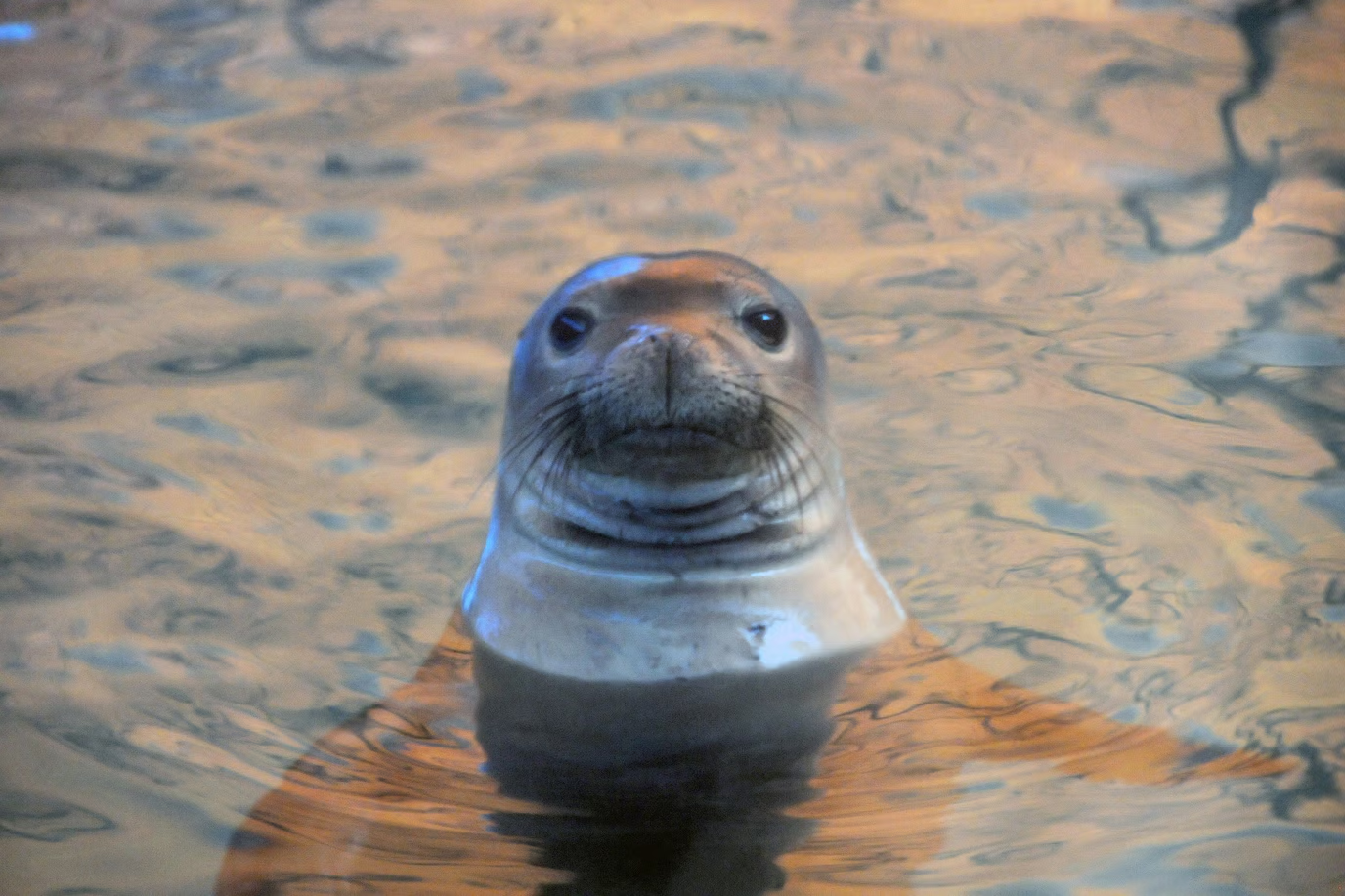
Silent Killers: This gear continues to “fish” long after humans are gone, entangling turtles, seals, and whales.
-
The Plastic Problem: Most modern fishing gear is made of plastic, which persists for centuries, breaking down into microplastics that enter the entire marine food chain.
The Illegal Wildlife Trade The demand for “exotic” marine life drives a massive illegal trade that threatens biodiversity:
-
The Curio Trade: Dried seahorses, starfish, and coral are often sold as souvenirs to unsuspecting tourists, devastating local populations and reef health.
-
The Exotic Pet Market: Thousands of tropical fish and rare marine species are snatched from reefs annually. Many do not survive the journey to the glass tanks of private collectors.
How We Can Stop the Exploitation The health of our oceans depends on a shift in human behavior and corporate responsibility. Here is how you can help:
-
Choose “Animal-Friendly” Travel: Avoid attractions that offer swim-with-dolphin programs or shows featuring captive marine mammals. Support observation-only tours where animals are seen in their natural habitat.
-
Say No to Marine Souvenirs: Refuse to buy products made from shells, coral, or dried marine animals.
-
Support Policy Change: Advocate for the creation of “Whale Heritages Sites” and sanctuaries that prioritize the welfare of the animals over the entertainment of humans.
A Future for the Blue Planet Ending marine exploitation requires us to view the ocean not as a resource to be plundered, but as a complex living system that we are duty-bound to protect. By making conscious choices as consumers and travelers, we can turn the tide for marine wildlife.