











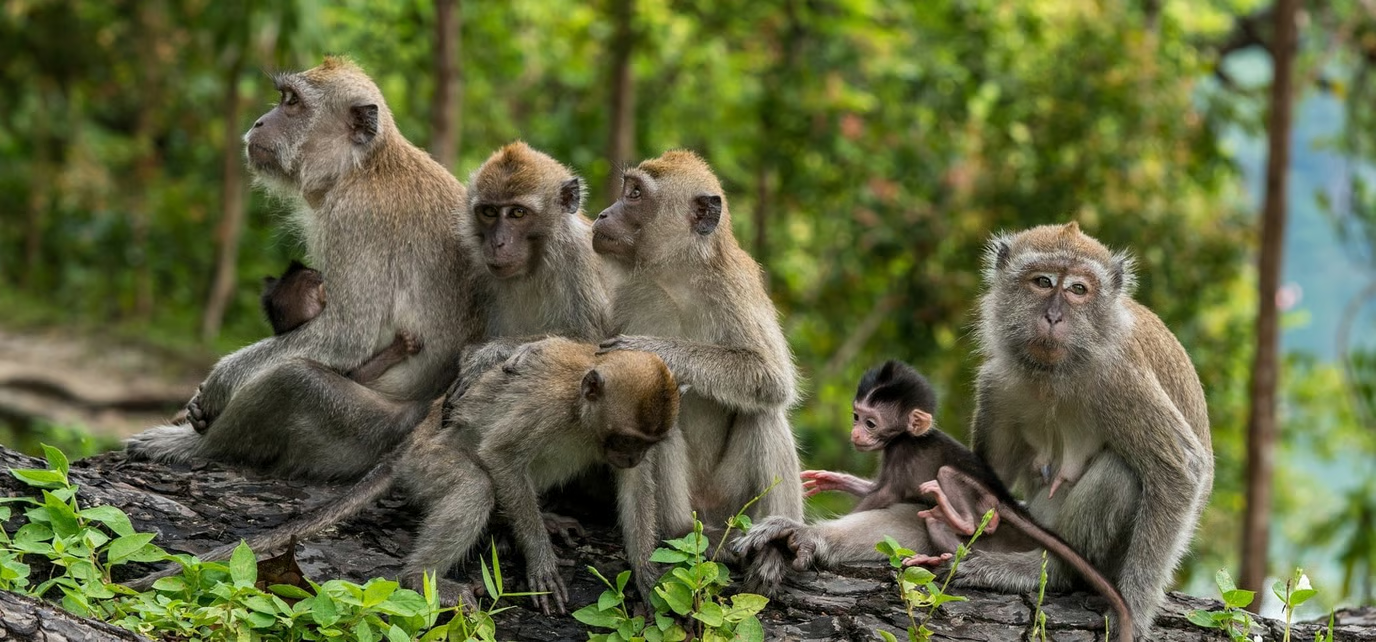
Beyond the Ticket: How to Spot Unethical Wildlife Tourism
The Illusion of the “Happy” Wild Animal At many tourist destinations, wild animals appear docile, friendly, or even “trained” to interact with humans. However, a wild animal does not naturally choose to perform or stay in close proximity to crowds. To make these interactions possible, the animals often undergo a process of “breaking” their spirits, involving early removal from their mothers and restrictive physical restraint.
The Lifecycle of Exploitation The industry relies on a cycle that prioritizes profit over welfare:
-
Speed Breeding: Animals are often bred in captivity to ensure a steady supply of “cute” infants for photos, which are more appealing to tourists.
-
The “Retirement” Mystery: Once animals become too large or dangerous to be handled by tourists, they are often moved to substandard holding facilities or sold into the illegal wildlife trade, as they lack the skills to survive in the wild.
Spotting the Red Flags How can a traveler tell the difference between a genuine sanctuary and an exploitative attraction?
-
Hands-On Interaction: If an attraction allows you to hug, ride, wash, or take photos with a wild animal, it is almost certainly putting profit over the animal’s well-being.
-
Natural Behavior: Ethical venues allow animals to behave naturally. If an animal is performing tricks or is chained in a specific spot for hours, it is a sign of poor welfare.
-
Close Proximity: Genuine sanctuaries keep a respectful distance between visitors and animals to minimize stress on the residents.
The Impact of Global Tourism The demand from international travelers is the primary driver of this industry. When tourists stop buying tickets to shows featuring dancing monkeys or “charming” snakes, the financial incentive for these practices disappears. By choosing to see animals in their natural habitats or at high-welfare, observation-only sanctuaries, travelers can be part of the solution.
A Call for Better Standards World Animal Protection advocates for a “New Normal” in tourism—one where wild animals are left in the wild. This involves working with travel companies to remove cruel attractions from their offerings and educating the public on how to be a responsible wildlife advocate.