











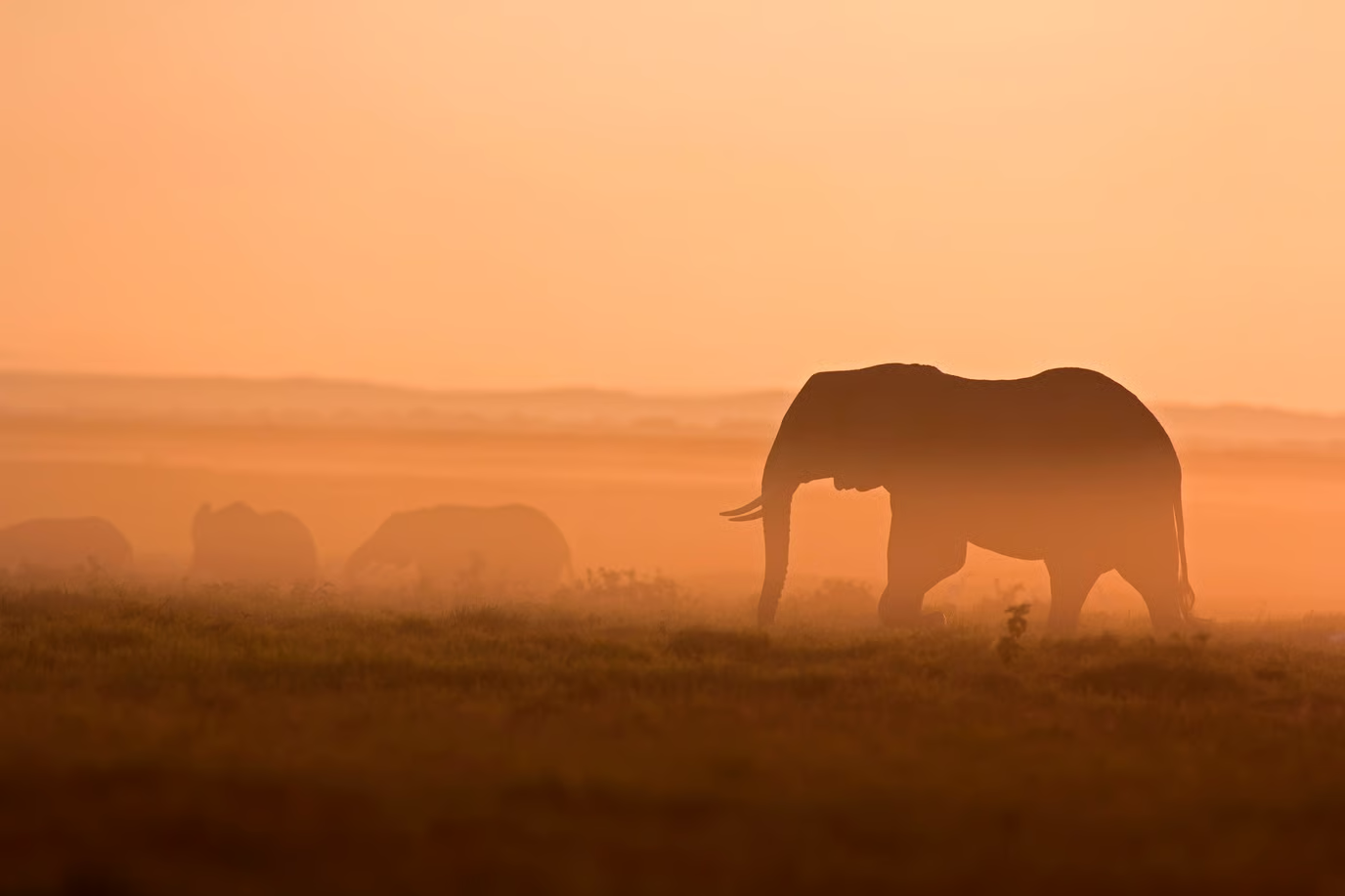
The Wisdom of Giants: 10 Amazing Elephant Facts You Should Know
The World’s Largest Land Mammal There is no mistaking an elephant. Whether it’s the African Savanna elephant, the African Forest elephant, or the Asian elephant, these creatures command respect. But their physical presence is just the beginning; their true “greatness” lies in their minds and their bonds.
1. A Brain Like No Other An elephant’s brain can weigh up to 5kg. They possess a highly developed hippocampus and cerebral cortex, which are linked to memory and emotion. This is why the phrase “an elephant never forgets” is rooted in scientific truth.
2. Emotional Intelligence Elephants are one of the few species known to experience complex emotions like grief, compassion, and playfulness. They have been observed “mourning” deceased family members, often staying by the body for days or gently touching the bones of the departed.
3. The Power of the Trunk An elephant’s trunk is a masterpiece of evolution. Containing around 40,000 muscles, it is strong enough to rip branches from trees but delicate enough to pick up a single blade of grass. It also serves as a snorkel when they swim!
4. Seismic Communication While we hear their trumpets, elephants also communicate using “infrasound”—low-frequency sounds that travel through the ground. They can “hear” these vibrations through their sensitive feet, allowing them to communicate with herds many miles away.
5. Skin That Needs Care Despite being up to an inch thick in places, elephant skin is incredibly sensitive. They can feel a fly landing on them! To protect themselves from the sun and biting insects, they regularly take mud baths, which act as a natural sunscreen.
6. Constant Eaters Being a giant requires a lot of fuel. Elephants can spend up to 16 to 18 hours a day eating, consuming hundreds of pounds of roots, grasses, fruit, and bark.
7. “Ecosystem Engineers” By digging for water in dry riverbeds, creating paths through dense forests, and dispersing seeds through their dung, elephants literally shape the environment around them, making life possible for countless other species.
8. Social Matriarchs Elephant herds are led by the oldest and wisest female, the matriarch. She holds the “map” of water holes and feeding grounds in her memory, ensuring the survival of the entire family.
9. Born to Roam Elephants are migratory by nature. They need vast areas of land to find enough food and water. This is why confinement in small spaces is so physically and mentally damaging to them.
10. A Species Under Threat The greatest threat to elephants remains human activity, specifically the illegal ivory trade and habitat loss. Protecting these animals isn’t just about saving a species; it’s about maintaining the health of our planet’s ecosystems.