










Why Air India’s Crisis Runs Deeper than Rising Oil Prices
The Jet Fuel Crisis: A Convenient Scapegoat for Air India?
In May 2026, a high-profile episode of The Ken’s Daybreak podcast challenged the official narrative coming out of Air India. While the airline has publicly attributed its massive flight cancellations (over 500 international flights in April and May) to surging Aviation Turbine Fuel (ATF) prices and airspace closures due to the West Asia conflict, The Ken suggests these are “convenient explanations” for much deeper, systemic issues.
The Surface Narrative: The Fuel Shock
-
The Price Surge: In May 2026, ATF prices for international operators rose by over 5.3%, following a staggering 25% hike for domestic carriers in April.
-
The Route Cuts: High fuel costs have made “ultra-long-haul” routes (like Delhi-San Francisco and Delhi-Vancouver) mathematically unviable. Frequencies to the US have been slashed by up to 50%.
-
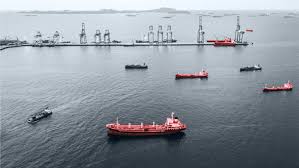
Global Context: Air India isn’t alone; global carriers pulled nearly 13,000 flights from May schedules to conserve fuel as prices surged following disruptions in the Strait of Hormuz.
The “Daybreak” Counter-Argument: Deep Operational Rot
The podcast argues that “Jet Fuel” is the excuse, but the real problems are:
-
Unprofitable “Prestige” Routes: Air India has long maintained routes to North America and Europe that were never truly profitable but served as “brand flagships.” High fuel prices didn’t create the loss; they just made it impossible to hide.
-
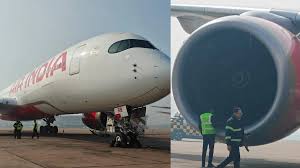
Fleet Inefficiency: While competitors like IndiGo or Singapore Airlines operate younger, fuel-efficient fleets, Air India is still struggling with the reliability and fuel-burn of its older wide-body aircraft, even as the Tata Group attempts a multi-billion dollar refresh.
-
The “Premium” Identity Crisis: The airline is trying to charge premium fares while facing constant criticism for “broken seats and poor service.” In a high-fuel environment, customers aren’t willing to pay “fuel surcharges” for a sub-par experience, leading to a collapse in demand for its most expensive seats.
2026 Financial Lifeline: ECLGS 5.0
To prevent a total grounding, the Union Cabinet recently approved the Emergency Credit Line Guarantee Scheme (ECLGS) 5.0, allowing airlines to access government-backed credit up to ₹1,500 crore. However, The Ken warns that credit is a “band-aid” for a business model that needs a complete surgical overhaul.