









The Metro Paradox: How Mass Transit is Creating New Floods in Indian Cities
The “Accidental Dam” Effect
The report identifies that metro corridors often follow major arterial roads, which historically served as natural drainage paths.
-
Pillar Obstruction: In cities like Chennai and Pune, metro pillars are being placed directly inside or alongside existing stormwater drains. This reduces the carrying capacity of the drains by up to 30%, leading to rapid overflows during even moderate rainfall.
-
Impermeable Corridors: To protect the structural integrity of the tracks, the ground beneath metro lines is often heavily concretized. This prevents groundwater recharge and forces 100% of rainwater into already-strained municipal pipes.
-
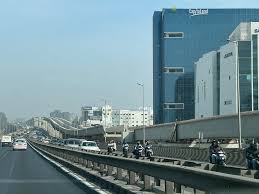
The “Valley” Problem: In cities with undulating terrain like Bengaluru, elevated metro ramps can act as unintended dykes, trapping water in low-lying residential “pockets” that previously drained naturally.
Missing: Hydrogeological Modeling
A key takeaway from The Ken’s investigation is the lack of “Monsoon vs. Summer” modeling during the design phase.
-
Static Surveys: Many metro projects were planned based on “point-in-time” geotechnical surveys that didn’t account for the extreme rainfall patterns of 2025–2026.
-
Geotechnical Gaps: In Pune, citizen groups have recently challenged the metro expansion, asking if the depth of hard rock and groundwater ingress was measured continuously or just at specific points.
-
Fragmented Planning: The “Metro Rail Corporations” often operate in silos, independent of the municipal bodies responsible for “Stormwater Management.” The result is a transit system that works perfectly above ground, while the streets below become impassable.
The 2026 “Sponge Transit” Solution
To counter this, urban planners are now calling for a shift to “Sponge Metro” designs:
-
Permeable Medians: Replacing concrete medians under tracks with bio-swales and gravel pits to absorb runoff.
-
Integrated Drainage: Designing metro pillars with hollow “internal conduits” that can actually assist in carrying water during peak floods.
-
Transit-Oriented Retention: Building massive underground “holding tanks” beneath metro stations that can store rainwater and release it slowly after the storm passes.