











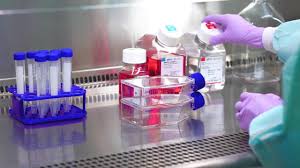
Why the EU’s New Chemicals Policy is a Win for High-Tech Science
EU Chemicals Reform: A Leap Toward Non-Animal Science
The Eurogroup for Animals has recently highlighted a pivotal moment in European environmental policy: the revision of the REACH (Registration, Evaluation, Authorisation, and Restriction of Chemicals) regulation. This reform represents a critical opportunity to transition away from traditional animal testing and toward New Approach Methodologies (NAMs).
The Core of the Reform: Modernizing Toxicology
The current REACH framework is one of the most comprehensive chemical laws in the world, but it still relies heavily on animal data to prove safety. The proposed reforms aim to integrate 21st-century science:
-
NAMs Integration: The push is to make non-animal methods (like computer modeling and in vitro testing) the “default” rather than the “alternative.”
-
Strategic Roadmap: Advocacy groups are calling for a concrete, legally binding roadmap to phase out animal testing for all chemical safety assessments by 2030.
-
The “Cocktail Effect”: New rules are being drafted to assess how different chemicals interact—a complex task that advocates argue is more accurately solved by AI-driven computational toxicology than by traditional animal models.
Why Non-Animal Science?
The shift isn’t just about ethics; it’s about scientific precision:
-
Human Relevance: Animal models often fail to predict human reactions due to biological differences. NAMs use human cells and data, leading to more accurate safety profiles.
-
Speed and Efficiency: Traditional animal tests can take years and cost millions. AI-powered simulations can screen thousands of chemicals in days.
-
Global Leadership: By embedding non-animal science into REACH, the EU aims to set the global “Gold Standard” for chemical safety, potentially forcing the rest of the world to modernize their labs.
The Challenges Ahead
Despite the optimism, the road to reform faces “bottlenecks”:
-
Regulatory Acceptance: Many regulators are hesitant to trust new methods that haven’t been in use for decades.
-
Funding Gaps: Transitioning the entire EU chemical industry requires massive investment in lab infrastructure and researcher training.
-
Legislative Delays: The REACH revision has faced multiple postponements, leading to concerns that the window for meaningful change is closing.