











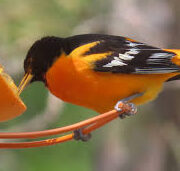
How to Lure Migrating Orioles with the Colors They Love
The Secret Seasonal Diet of Orioles: From Nectar to Insects
As highlighted by National Geographic on May 11, 2026, orioles are much more than just beautiful backyard visitors—they are a “tropical species” for most of the year. While we think of them as North American nesting birds, they spend about nine months in the neotropics eating a diet that closely resembles that of a hummingbird.
The “Sugar First” Migration Strategy
During the spring and fall migrations, orioles have a massive “sweet tooth.” This isn’t just a preference; it’s a biological necessity.
-
Energy Reserves: Sugars from nectar, ripened fruit, and jelly are rapidly converted into fat, which provides the high-octane fuel needed for their epic flights—some even flying directly across the Gulf of Mexico.
-
The Tropical Palette: In their wintering grounds, they feast on bananas, papayas, and mangoes. In your backyard, they look for the darkest fruits: deep-purple grapes, red cherries, and dark mulberries.
Specialized Feeding: The “Gaping” Technique
Orioles have a unique way of eating soft fruits that distinguishes them from other songbirds:
-
The Stab: They use their slender, sharp beaks to stab into a fruit while it’s closed.
-
The Gape: They then force their beak open while inside the fruit to create a “juicy swath.”
-
The Lap: Using brush-tipped tongues, they lap up the juice through capillary action—very similar to how a hummingbird drinks nectar.
Backyard Tips: How to Attract Them in May
At zyproo.online, we’re all about optimizing systems—including your bird feeder! Based on 2026 ornithology standards, here is how to maximize your success:
-
Orange is the Signal: Orioles are instinctively attracted to the color orange. Use feeders with orange lids or hang halved oranges directly from tree branches.
-
The Jelly Hack: Grape jelly is a top-tier attractant. However, ensure it contains no artificial sweeteners or dyes, and serve it in shallow dishes to prevent the birds from getting their feathers sticky.
-
Transition to Protein: Once the nesting season begins in late May/June, their needs shift. They will start seeking out caterpillars, beetles, and wasps to provide the protein necessary for growing chicks.