











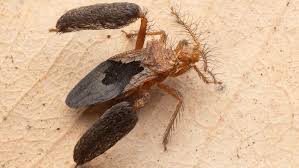
Small, Furry, and Deadly: Meet the Northern Territory’s Newest Bug Species
The Larrakia Feather-Legged Assassin: A Darwin Discovery
As reported by the ABC on May 9, 2026, scientists have officially identified a new species of insect in the Northern Territory: the Larrakia feather-legged assassin bug. Discovered in the Charles Darwin National Park and two other NT locations, this tiny predator is already fascinating the scientific community with its specialized anatomy and hunting prowess.
What Makes it an “Assassin”?
The feather-legged assassin bug belongs to the family Reduviidae, a group of predatory insects known for their “wait-and-kill” tactics.
-
The “Feather” Legs: Its hind legs are covered in dense, hair-like structures (setae). This isn’t just for show; it helps the bug navigate complex foliage and may play a role in its unique hunting strategy.
-
The Lure: Many feather-legged bugs possess a specialized gland that secretes a substance attractive to ants. Once the ant is lured in, the bug uses its sharp proboscis to paralyze and consume its prey.
-
The Name: The species is named in honor of the Larrakia people, the traditional owners of the land and waters in and around Darwin, recognizing their enduring connection to the region where the bug was found.
A Significant Find for the NT
At zyproo.online, we value the “data collection” that goes into biodiversity mapping. This discovery is vital for several reasons:
-
Limited Range: So far, the bug has only been confirmed in three locations, including Charles Darwin National Park and the Tiwi Islands, suggesting it may be a highly localized species.
-
Citizen Science: The discovery highlights the importance of local enthusiasts and park rangers who often spot these tiny creatures long before formal scientific descriptions are written.
-
Ecological Indicator: As a predator, the presence of the Larrakia assassin bug indicates a healthy, functioning micro-ecosystem capable of supporting diverse insect life.