










The Physical Retail Renaissance: Why Major Brands are Betting Big on New Storefronts in 2026
The “Retail Apocalypse” narrative has officially been replaced by a bricks-and-mortar boom. As reported by Business Insider on May 8, 2026, a wave of major retailers has announced aggressive expansion plans for the remainder of the year. Despite the continued growth of e-commerce, brands are finding that physical stores are essential for “omnichannel” success, serving as both showrooms and local fulfillment hubs.
1. The Leaders of the Expansion Pack
Several industry giants are leading the charge with hundreds of planned openings:
-
The Discount Titans: Dollar General and Five Below continue to dominate the volume play, targeting rural and suburban “retail deserts” where they face little competition.
-
The Grocery Wars: ALDI is in the midst of a massive US expansion, aiming to open 800 new locations over the next few years to capitalize on the growing demand for budget-friendly organic options.
-
Luxury & Lifestyle: Lululemon and Sephora are moving beyond high-end malls into “suburban power centers,” following their customers who shifted to remote or hybrid work.
2. The “Small Format” Strategy
The biggest trend in 2026 isn’t just more stores, but smaller ones.
-
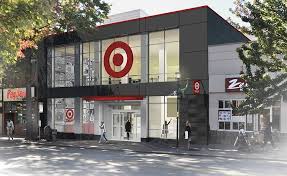
Target & Macy’s: Both retailers are moving away from massive “anchor” stores in favor of small-format boutiques in urban neighborhoods. These stores carry a curated selection of “high-frequency” items like groceries and beauty products.
-
The Efficiency Play: Smaller footprints mean lower rent and staffing costs, and they allow retailers to penetrate dense city centers where large real estate is unavailable.
3. Stores as “Fulfillment Hubs”
Physical stores are no longer just for walking in and browsing; they have become the backbone of the “Last Mile” delivery system.
-
BOPIS Integration: New store designs are prioritizing “Buy Online, Pick Up In-Store” (BOPIS) lanes and drive-thru windows for returns.
-
Micro-Warehousing: Many new store openings feature expanded back-of-house areas dedicated to picking and packing local delivery orders, effectively turning every storefront into a neighborhood shipping center.
4. Tech-Integrated Storefronts
Retailers opening new locations in 2026 are heavily investing in “frictionless” technology:
-
Just Walk Out Tech: Following the lead of Amazon Go, several clothing and convenience retailers are testing AI-powered checkout-free systems in their new high-traffic urban locations.
-
Smart Mirrors & AR: New apparel stores (like those from H&M and Zara) are being outfitted with AR-enabled mirrors that allow customers to “try on” different colors or request sizes without leaving the fitting room.