









The Power of the Pavement Poppy: Why “No Mow May” is Reshaping Our Relationship with the Humble Dandelion
The perfectly manicured green lawn has long been a symbol of suburban pride, but that image is shifting toward something a bit more colorful—and “weedy.” As explored by National Geographic on May 8, 2026, the “No Mow May” movement is gaining global momentum, turning the once-despised dandelion into a critical frontline hero for biodiversity and pollinator health.
1. The “First Food” for Pollinators
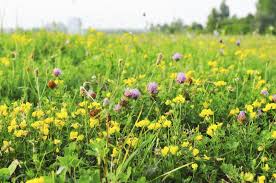
In early spring, when most garden flowers have yet to bloom, dandelions and clover are often the only reliable food sources for insects waking from hibernation.
-
The Protein Punch: Dandelion pollen is rich in the essential amino acids that bees need to build their colonies in the spring.
-
The Nectar Boost: Their bright yellow heads are high-energy “gas stations” for butterflies and hoverflies, providing the fuel they need to migrate and reproduce.
2. The “No Mow May” Philosophy
The movement, which originated in the UK and has spread rapidly across North America, asks homeowners to lock up their lawnmowers for the entire month of May.
-
The Habitat Hack: By letting the grass grow, you aren’t just growing weeds; you are creating a “micro-meadow.” This taller grass provides shelter for ground-nesting bees and moisture for amphibians like toads.
-
The Diversity Spike: Studies mentioned by National Geographic show that lawns left unmowed in May can support up to ten times more bees than those mowed regularly.
3. Dandelions: The “Soil Surgeons”
Beyond feeding bees, dandelions perform vital “surgery” on your lawn’s health:
-
Aeration: Their deep, sturdy taproots (which can reach up to 15 feet down) break up compacted soil, allowing water and air to reach the roots of your grass.
-
Mineral Miners: Dandelions act as “nutrient pumps,” pulling minerals like calcium and iron from deep underground and making them available to shallower-rooted plants when the dandelion leaves eventually decompose.
4. Overcoming the “Weed” Stigma
The biggest hurdle for “No Mow May” isn’t biological—it’s social.
-
Changing Aesthetics: For decades, dandelions were classified as “noxious weeds” primarily because of marketing by the lawn-chemical industry.
-
The Neighbors’ View: To help with “curb appeal” while participating, many homeowners are now using “pollinator friendly” signage to signal that their messy lawn is an intentional choice for the environment, not a sign of neglect.