








The Trump Factor: President Intervenes in 2026 World Cup Ticket Price Controversy
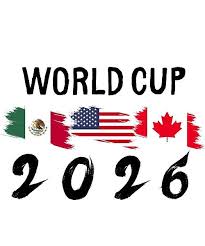
As the 2026 FIFA World Cup approaches, a new political dimension has entered the fray. According to a report by The Guardian on May 7, 2026, President Donald Trump has publicly called for a “major correction” to ticket prices for the upcoming tournament, hosted across the United States, Mexico, and Canada. The President’s comments come amid mounting public frustration over skyrocketing costs and the perceived “pricing out” of ordinary American families from the world’s biggest sporting event.
1. The Presidential Ultimatum
In a series of statements, the President characterized the current pricing structures as “unacceptable” and “unfair to the American people.”
-
The Economic Argument: The administration argued that since the U.S. is providing significant security, infrastructure, and logistical support for the tournament, FIFA has a responsibility to ensure the event remains accessible to domestic fans.
-
Negotiation Tactics: Reports suggest the administration is leveraging future visa processing speeds and federal security grants as potential bargaining chips to encourage FIFA to implement a “domestic price cap.”
2. The FIFA Stalemate
FIFA, which relies heavily on World Cup revenue to fund its global operations, has defended the pricing, citing record-high demand and the increased costs of a 48-team tournament.
-
The Revenue Gap: FIFA officials argue that lowering prices significantly would create a massive revenue shortfall that could impact their ability to develop soccer in smaller nations.
-
The Resale Market: Independent analysts note that even if primary ticket prices are lowered, the secondary “resale” market remains the biggest hurdle, with tickets for the final in New Jersey already listed for tens of thousands of dollars on unofficial sites.
3. Public and Political Reaction
The President’s intervention has sparked a polarized response across the political and sporting spectrum.
-
Supporters: Many fans and consumer advocacy groups have praised the move, arguing that the World Cup should be a “celebration of the people,” not an elite corporate retreat.
-
Critics: Some international sports analysts worry that political interference in FIFA’s commercial operations could set a “dangerous precedent” and potentially complicate the hosting of future international events like the Olympics.
4. Impact on the 2026 Host Cities
The 11 U.S. host cities are caught in the middle of this high-stakes negotiation.
-
Local Economy Concerns: City officials in places like Atlanta, Dallas, and Los Angeles are concerned that if ticket prices remain prohibitively high, it could lead to smaller “fan zones” and reduced local spending if the average fan can’t afford to travel and attend matches.
-
Security Logistics: The federal government’s role in securing these venues is a massive undertaking, and the current tension between the White House and FIFA adds a layer of complexity to the inter-agency cooperation required for the event.