










Master the Pack: Essential Tips for Your Ultimate African Safari
Preparing for a safari is a balancing act between being ready for anything and adhering to the strict weight limits of small bush planes. As shared by Natural Habitat Adventures on May 7, 2026, the secret to a successful safari isn’t just what you bring, but how you pack it. From the “dust factor” to the “safari color palette,” here is how to gear up for the savanna.
1. The “Soft Bag” Rule
If your itinerary involves small internal flights between camps, leave the hard-shell suitcase at home.
-
Malleability is Key: Small planes have tiny luggage pods. You must use a soft-sided duffel bag (ideally without a rigid frame or wheels) that can be squished into tight spaces.
-
Weight Limits: Most bush flights have a strict limit of 15–20 kg (33–44 lbs) per person—including your carry-on and camera gear.
2. Dressing for the “Three-Climate” Day
Safari temperatures fluctuate wildly. You can go from a freezing sunrise game drive to a scorching midday sun and back to a chilly evening.
-
The Layering System: Start with a moisture-wicking base, add a light fleece or sweater, and top it with a windproof jacket.
-
Neutral Colors: Stick to khaki, olive, and tan. Avoid bright colors (which can distract wildlife), white (which shows dust immediately), and dark blue/black (which attracts the biting Tsetse flies).
-
Camouflage Warning: In many African countries, wearing military-style camouflage is illegal for civilians.
3. The “Optical” Essentials
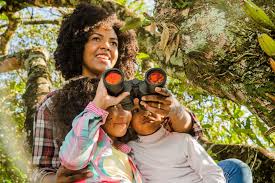
While safari vehicles often have shared binoculars, having your own is a game-changer for spotting leopards in the brush or rare birds.
-
Binoculars: Look for 8×42 magnification; it’s the “sweet spot” for stability and light intake.
-
Dust Protection: The savanna is incredibly dusty. Bring a dry-bag for your camera and lens-cleaning kits. Never change your lenses in the middle of a game drive if you can help it.
4. Health and Protection Kits
Beyond your standard toiletries, certain items are “safari-specific” must-haves:
-
The “Bush Pharmacy”: Pack high-SPF sunscreen, lip balm with SPF, and a strong insect repellent containing DEET or Picaridin.
-
Eye Care: If you wear contacts, bring glasses and extra rewetting drops. The dust and wind in open-air vehicles can be brutal on contact lens wearers.
-
Polarized Sunglasses: These are essential not just for glare, but for protecting your eyes from low-hanging branches and flying insects during game drives.
5. Sustainable Safari Habits
Modern safaris in 2026 are heavily focused on reducing plastic waste.
-
Reusable Water Bottles: Most high-end camps provide filtered water; bring your own insulated bottle to stay hydrated without using single-use plastics.
-
Biodegradable Wipes: These are a lifesaver for a “bush bath” to wipe the dust off your face and hands between stops.