










High-Altitude Crisis: Climate Change and Social Shifts Push Nepal’s Yak Herding Toward Extinction
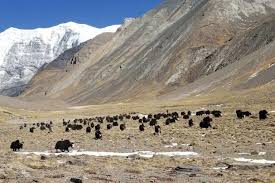
In a deeply reported feature from May 6, 2026, Mongabay highlights the existential threat facing the ancient tradition of yak herding in Nepal’s remote Dolpo region. The report, authored by Sonam Lama Hyolmo, paints a grim picture of a “perfect storm” where rapid environmental warming, shifting social structures, and geopolitical border closures are dismantling a lifestyle that has sustained Himalayan communities for centuries.
Environmental Impact: A Warming Himalayan Barometer
According to the International Centre for Integrated Mountain Development (ICIMOD), the Himalayas are warming at a rate that is fundamentally altering high-altitude ecosystems.
-
Grazing Land Shrinkage: Rising temperatures are disrupting water cycles and drying out vital wetlands and peatlands, which significantly increases the risk of wildfires in alpine rangelands.
-
Glacial Submergence: Ironically, while some pastures dry up, others near glaciers face the threat of submergence due to rapid glacial melting and shifting water flows.
-
Disease Outbreaks: Herders report an increase in lethal diseases among their herds. Because of the extreme remoteness, it can take days to reach a veterinarian, and low insurance payouts often don’t cover the logistical costs of reporting a loss.
Socioeconomic Collapse: The “Missing Generation”
Beyond the climate, the social fabric of herding communities is unraveling:
-
Labor Shortages: A massive outmigration of young people to cities or abroad (seeking better economic opportunities) has left an aging population to handle the intensive, 24/7 labor required for herding.
-
The China Border Factor: Since the COVID-19 pandemic, the closure of key border crossings into China has barred herders from their traditional seasonal rangelands.
-
The Shift to Cattle: Facing these pressures, many families have sold their yaks and switched to raising goats or cattle. Unlike yaks, these animals graze year-round, which experts warn is leading to severe overgrazing and long-term soil degradation.
The Genetic Threat to Wild Yaks
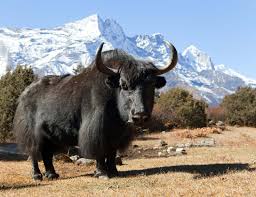
The decline of the domestic yak (Bos grunniens) is having a dangerous ripple effect on its rare relative, the Wild Yak (Bos mutus), of which fewer than 10,000 remain globally.
-
Hybridization Risk: As grazing grounds shrink, wild and domestic yaks are being forced into closer contact.
-
Loss of Purity: Krishna Prasad Acharya, a veterinarian at the Department of Livestock Services, warns that crossbreeding threatens the genetic purity and unique adaptive traits that allow wild yaks to survive at extreme altitudes.
-
The “Viagra” Threat: Wild yaks are also suffering from the overharvesting of yartsa gunbu (caterpillar fungus), a prized commodity on the international market that also serves as a major food source for the species.
Conservation Solutions
Researcher Naresh Kusi (University of Inland Norway) suggests that conservation can no longer exist in isolation.
-
Habitat Refuges: Kusi proposes establishing dedicated “wildlife habitat refuges” where wild yaks can roam freely and livestock herding is strictly restricted.
-
Integrating Communities: He argues that the traditional knowledge of local herders is essential; without their involvement in rangeland management, the entire ecosystem—and the culture built around it—may collapse.