









Blocking the “95% Virus”: The 2026 Breakthrough in EBV Research
Scientists at the Fred Hutchinson Cancer Center reached a historic milestone in February 2026 by developing a first-of-its-kind antibody that successfully blocks the Epstein-Barr Virus (EBV).
EBV is one of the most successful pathogens on Earth, infecting approximately 95% of the global population. While often harmless, it is a major driver of Multiple Sclerosis (MS), several types of lymphoma, and severe complications in transplant recipients.
1. The Strategy: Blocking the “Key” and the “Lock”
Unlike many viruses that target specific tissues, EBV has evolved to bind to nearly every B cell in the human body. To stop it, the 2026 research team targeted two specific proteins on the virus’s surface that act as its entry kit:
-
Antigen gp350 (The Key): This protein helps the virus “dock” onto the receptors of human B cells.
-
Antigen gp42 (The Lockpick): This protein allows the virus to fuse with the cell membrane and inject its genetic material.
The Breakthrough: Using “humanized” mice (genetically engineered to produce human antibodies), scientists identified ten monoclonal antibodies. One specifically, targeting gp42, provided near-total protection against infection in tests.
2. Why This Matters for 2026
This isn’t just a win for general medicine; it addresses a “missing link” in several chronic diseases that have seen a spike in research over the last year.
-
The MS Connection: Parallel studies from UCSF and Karolinska Institutet in early 2026 confirmed that “molecular mimicry”—where the immune system mistakes brain proteins for EBV proteins—is exactly how the virus triggers Multiple Sclerosis. Having a blocking antibody could eventually lead to a way to halt MS progression.
-
Transplant Safety: For transplant patients, EBV is a “sleeping giant.” Immunosuppression can cause the virus to wake up and cause fatal lymphomas. These new antibodies could be used as a “shield” for patients during their most vulnerable recovery weeks.
3. Future Outlook: Towards a Vaccine
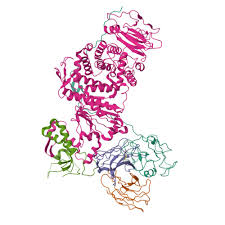
The structural analysis of how these antibodies bind to the virus has provided a “blueprint” for a future EBV vaccine.
-
Current Status: Fred Hutch has filed for intellectual property rights and is working with industry partners to move toward human clinical trials.
-
Target Population: Initial trials will likely focus on immunocompromised adults and children awaiting transplants who have not yet been exposed to the virus.
EBV Antibody Profiles (2026 Study)
| Antibody | Target | Result | Status |
| ATX42-2 | gp42 (Fusion) | Full Protection | Moving to Clinical Development |
| ATX350-1 | gp350 (Binding) | Partial Protection | Supplemental Therapy |
| mAb A10 | gp42 (Docking) | Almost Complete | Research Prototype |