










The Nightmare Blueprint: Why Your AI Governance Needs a “Worst-Case” Reset
The “Nightmare” Strategy: A New Era for AI Governance
In the May 11, 2026 edition of the Harvard Business Review, the essay “What Are Your Company’s AI Nightmares?” challenges the status quo of corporate ethics. The author (drawing from years of Fortune 500 advisory work) argues that the current “Responsible AI” framework—which focuses on high-level principles like transparency and accountability—is fundamentally broken for the age of generative AI and autonomous agents.
Why the “Values-First” Approach is Failing
The research identifies three major “bottlenecks” in traditional AI governance:
-
Too Slow: By the time an enterprise-wide “Fairness Policy” is drafted and approved, the underlying AI models have already been updated or replaced.
-
Too Vague: Engineers often struggle to translate a word like “Accountability” into actual code or guardrails.
-
Too Hard to Communicate: Abstract values don’t resonate with the front-line teams building the tools.
The Shift: From Values to Scenarios
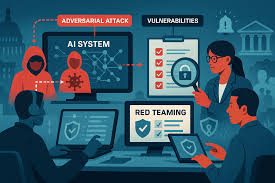
HBR suggests that companies should pivot their focus toward concrete, operationalized “Ethical Nightmares.”
| Feature | Principle-Based (Legacy) | Nightmare-Based (2026) |
| Primary Goal | Compliance with abstract values. | Prevention of specific disasters. |
| Deliverable | 50-page policy document. | Actionable “Incident Runbooks.” |
| Engagement | Legal and HR-led. | Red Teams and Engineering-led. |
| Speed | Slow and reactive. | Proactive and rapid. |
How to Build Your “Nightmare Portfolio”
To implement this 2026 strategy, the research recommends three practical steps:
-
Define the Headline: Ask your leadership team: “What is the worst possible news story our AI could generate?” (e.g., “AI Assistant Embezzles $1M” or “Recruiting AI Automatically Discriminates Against 40+ Workers”).
-
Red Team the Scenario: Have your tech teams work backward from that headline. How exactly could the system fail to produce that result?
-
Operationalize the Guardrail: Instead of a general “Fairness Check,” build a specific “Nightmare Filter”—a hard-coded constraint or monitoring tool designed solely to prevent that one specific failure.