











The $690 Billion Trap: Why India’s Record Forex Reserves Aren’t Enough
ExplainSpeaking: The Anatomy of India’s 2026 Forex Pressure
As analyzed by The Indian Express on May 12, 2026, India finds itself in a paradoxical economic position. Despite holding nearly $690 billion in foreign exchange reserves—the fourth largest in the world—the Iran-Israel war has forced the Prime Minister to call for drastic “import cuts.” This “ExplainSpeaking” column breaks down why the “war chest” isn’t as bottomless as it appears.
The “Import Cover” vs. The “Burn Rate”
Economists measure the health of forex reserves through Import Cover (how many months of imports the reserves can pay for).
-
The Trend: While India theoretically has 10–11 months of cover, the “Burn Rate” has accelerated. The Reserve Bank of India (RBI) is reportedly spending billions weekly to prevent the Rupee from crashing past the ₹86/$1 mark.
-
The Oil Variable: With crude oil prices jumping to $115 per barrel, India’s monthly import bill has swelled by nearly 25% in just 60 days. This “leak” in the ship is what the PM is trying to plug through his appeal for fuel conservation.
Why Target Gold and Edible Oils?
The Prime Minister’s specific focus on gold and cooking oil is based on their unique roles in the Current Account Deficit (CAD):
-
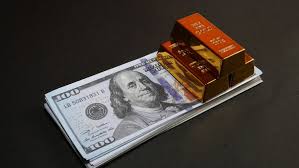
Gold (The “Dead” Asset): Unlike oil, which fuels the economy, gold is a “non-productive” import. When citizens buy gold, they exchange Rupees for Dollars that leave the country forever. By asking for a one-year “gold fast,” the government hopes to save roughly $30–$40 billion.
-
Edible Oils (The Hidden Drain): India is the world’s largest importer of vegetable oils. With supply chains in the Black Sea and the Middle East disrupted, the price of palm and sunflower oil has spiked, making it a major contributor to the dollar outflow.
The “1991 Ghost”: Why 2026 is Different
Critics have compared the current rhetoric to the 1991 crisis, but the “ExplainSpeaking” analysis highlights key differences:
-
Strength of Reserves: In 1991, India had only three weeks of reserves; today it has months. The current strategy is preventative, not desperate.
-
Digital Weaponry: India now has the digital infrastructure (WFH, UPI, digital trade settlements) to reduce physical dollar dependency in ways that weren’t possible 35 years ago.
-
The Rupee-Rouble/Dirham Trade: India is aggressively pushing for trade in local currencies with the UAE and Russia to bypass the US Dollar entirely for oil payments.