











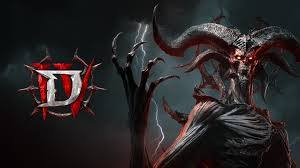
Inside Blizzard’s Vision for Diablo IV: Lord of Hatred
Rebuilding Sanctuary: The Making of Diablo IV: Lord of Hatred
In an exclusive interview with IGN India published on May 11, 2026, Blizzard Entertainment’s developers opened up about the creative and technical hurdles of crafting Lord of Hatred, the highly anticipated first expansion for Diablo IV. Following the success of “Season 4: Loot Reborn,” the team is doubling down on a return to the franchise’s darker, more oppressive roots.
The Return of the Prime Evil
The expansion centers on Mephisto, the Lord of Hatred, who has been manipulating events from the shadows.
-
A New Region: Players will travel to Nahantu, an ancient jungle region last seen in Diablo II. Reimagining this for 2026 meant balancing nostalgia with modern fidelity.
-
Atmospheric Horror: The art team focused on “Prime Evil corruption,” where the environment itself feels like it’s reacting to Mephisto’s presence—think suffocating greenery, bioluminescent rot, and ancient ruins that feel truly cursed.
Technical Evolution: Systems & UI
At zyproo.online, we focus on the “systems” behind the game. Blizzard highlighted several key technical shifts in this expansion:
-
The Spiritborn Class: The team discussed the complex task of designing the Spiritborn, a class that utilizes “spirit energy.” From a UI perspective, this required a unique resource bar and animation set that feels distinct from the Druid or Rogue.
-
Engine Optimizations: To handle the dense foliage and dynamic weather of the Nahantu jungles, the developers implemented new “occlusion culling” techniques and improved Ray Tracing support for PC and high-end consoles.
-
Endgame Synergy: The expansion was designed specifically to integrate with the new crafting systems introduced in earlier 2026 seasons, ensuring that “Tempering” and “Masterworking” remain the core of the power fantasy.
The Player-Centric Approach
The “Making Of” feature emphasizes that Lord of Hatred was shaped by player data.
-
Social Play: Blizzard is introducing a new co-op dungeon called the Dark Citadel, which requires actual teamwork and coordination—a first for the series.
-
Mercenary System: The return of “hirelings” was a direct response to solo players wanting more companionship and tactical depth without needing a full party.