










AI Pivot: Xbox to Replace Microsoft Copilot with Custom Gaming-First Intelligence
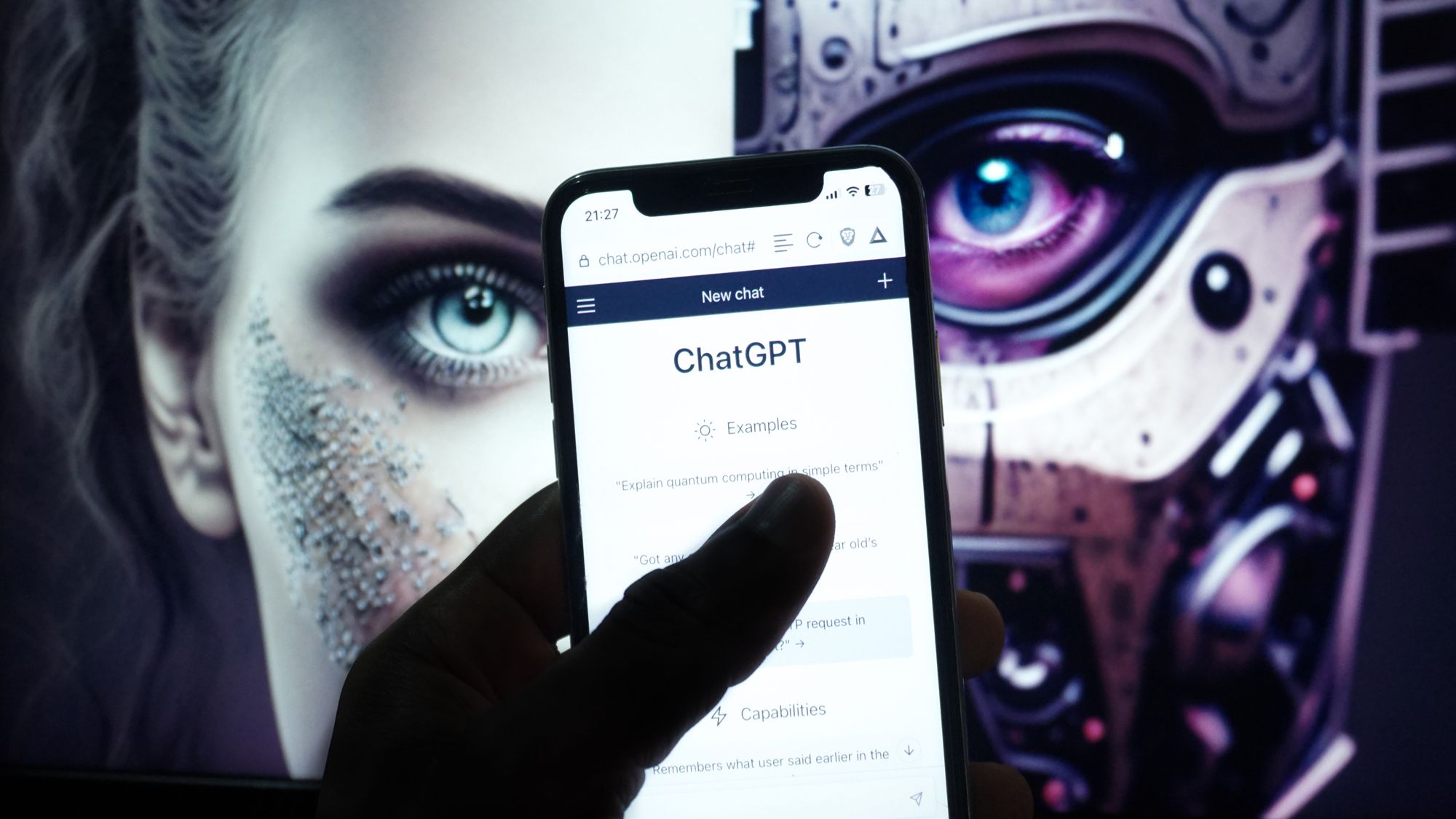
In a surprise strategic shift for its gaming ecosystem, Xbox is reportedly moving away from Microsoft’s Copilot AI. According to a report from Engadget on May 5, 2026, the gaming division is “ditching” the general-purpose Copilot in favor of a specialized, proprietary AI architecture designed specifically for player assistance and developer workflows.
The move marks a rare divergence between the Xbox division and Microsoft’s broader corporate AI strategy, signaling that the demands of high-performance gaming require a more tailored approach than a general LLM (Large Language Model) can provide.
The “Copilot” Conflict
Since its integration, Copilot on Xbox has faced criticism from the gaming community regarding performance and utility.
-
Performance Overhead: Players on Xbox Series S and older hardware reported noticeable system latency when Copilot was running in the background, as the AI competed for the same NPU (Neural Processing Unit) cycles as game engines.
-
Lack of Gaming Context: While Copilot excelled at answering general queries, it often struggled with “in-the-moment” gaming advice, such as identifying specific boss patterns or providing real-time inventory management suggestions.
-
UI Clutter: Many users found the Copilot interface intrusive during immersive gameplay sessions, leading to a high rate of users disabling the feature entirely.
Introducing “Project Odyssey”: The New Xbox AI
Sources indicate that Xbox is internally testing a new system, currently codenamed “Project Odyssey.” Unlike Copilot, this new AI is built from the ground up for the gaming environment:
-
Low-Latency Integration: Odyssey is designed to run on a dedicated “slice” of the Xbox Series X/S system-on-a-chip, ensuring it does not interfere with frame rates or input lag.
-
Visual Intelligence: The new system reportedly “watches” the game alongside the player, allowing it to provide hyper-specific help (e.g., “There is a hidden collectible behind the pillar to your left”) without the player needing to ask a question.
-
Local Processing: To address privacy and speed concerns, much of the new AI’s processing will happen locally on the console rather than in the cloud, reducing the reliance on a constant high-speed internet connection for AI tasks.
A Win for Developers
The shift isn’t just for players. Xbox is also pivoting its AI toolset for creators:
-
The “Playtest” AI: The new architecture includes tools that allow developers to use AI agents to “playtest” levels millions of times, identifying bugs and balancing issues in a fraction of the time required by human testers.
-
Dynamic NPCs: Xbox is focusing on a framework that allows developers to create “non-scripted” NPCs that use the Odyssey engine to react dynamically to player choices, a feature that was reportedly difficult to scale using the standard Copilot API.
What This Means for the Future of Xbox
The decision to drop Copilot suggests that Microsoft is beginning to view Xbox as a distinct hardware platform that requires bespoke software solutions.
-
Timing: The full transition to the new AI system is expected to coincide with the “Mid-Gen Refresh” of Xbox hardware rumored for late 2026.
-
The PC Exception: On Windows, the Xbox App will likely still utilize Copilot for social and search functions, but the “Pro Gaming” features will transition to the new Odyssey backend.