









Global Market Ripple: How U.S. Policy Shifts Toward Iran are Reshaping Oil and Equities
In a major development for global finance reported in May 2026, shifting U.S. foreign policy toward Iran is causing significant volatility across stock and energy markets. As the administration signals a return to “maximum pressure” tactics, investors are bracing for a tightening of global oil supplies, leading to a complex tug-of-war between rising energy prices and broader market uncertainty.
The situation has created a high-stakes environment for traders, as geopolitical risk once again becomes the primary driver of market sentiment.
The Oil Market Surge
The most immediate impact of the policy shift has been felt in the crude oil pits. Analysts are watching several key factors:
-
Sanctions Enforcement: Renewed focus on curbing Iranian oil exports is expected to remove hundreds of thousands of barrels from the daily global supply.
-
The Price Floor: Brent Crude and West Texas Intermediate (WTI) have both seen “geopolitical premiums” added to their per-barrel price, as the market fears a supply crunch in an already tight energy landscape.
-
Strategic Reserves: There is growing speculation regarding whether the U.S. will tap into its Strategic Petroleum Reserve (SPR) to blunt the impact of rising gas prices on the domestic economy.
Stock Market Reaction: A Tale of Two Sectors
Wall Street’s reaction to the news has been sharply divided, creating a “bifurcated” market:
-
The Winners (Energy & Defense): Oil giants and defense contractors have seen their valuations jump as investors bet on higher energy margins and increased military spending in the Middle East.
-
The Losers (Tech & Consumer Discretionary): High-growth sectors are facing pressure. Rising oil prices act as a “stealth tax” on consumers, potentially slowing spending, while the threat of renewed inflation makes the Federal Reserve less likely to cut interest rates.
The Iran Factor: Navigating Uncertainty
The shift in rhetoric represents a significant pivot from previous years of diplomatic maneuvering.
-
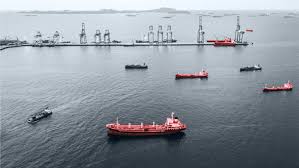
Regional Stability: Markets are pricing in the risk of disruptions in the Strait of Hormuz—a vital chokepoint through which 20% of the world’s oil consumption passes.
-
Global Alliances: Investors are also monitoring how major importers of Iranian oil, particularly in Asia, will respond to the threat of secondary U.S. sanctions.
Investor Outlook for Mid-2026
Financial advisors are urging caution as the “geopolitical discount” disappears.
-
Volatility as the New Normal: Traders are being warned to expect sharp, headline-driven swings in both the S&P 500 and energy futures.
-
Hedging Strategies: There has been a notable increase in the purchase of gold and energy-sector ETFs as institutional investors look for “safe haven” assets to weather the potential storm in the Middle East.