











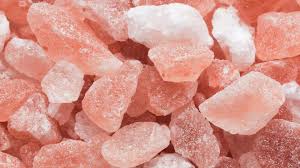
Pink Salt vs. White Salt: Separating Marketing from Medicine
The debate over whether Himalayan Pink Salt is truly superior to standard Table Salt has been a major health trend. However, the latest report from NDTV Food (published May 2, 2026) clarifies that while pink salt has aesthetic and minor mineral advantages, the “health miracle” claims are often exaggerated.
1. The Nutritional Breakdown
The primary argument for pink salt is its mineral content. While it is true that pink salt contains more minerals, the scale of these minerals is the key factor.
-
Sodium Content: Both pink and white salt are approximately 98% Sodium Chloride. From a blood pressure perspective, your body treats them almost identically.
-
The “Trace” Minerals: Pink salt gets its color from trace amounts of iron oxide (rust). It also contains small amounts of calcium, potassium, and magnesium.
-
The Reality Check: To get a meaningful nutritional dose of these minerals from pink salt, you would have to consume lethal amounts of sodium.
2. The Iodine Factor (The Major Difference)
This is where standard white salt often wins in a clinical setting.
-
White Salt: Most commercial table salt is iodized. Iodine is a critical nutrient for thyroid health and brain development.
-
Pink Salt: It is naturally low in iodine. If you switch exclusively to pink salt without getting iodine from other sources (like seafood or dairy), you may increase the risk of iodine deficiency or goiter.
3. Purity and Processing
-
White Salt: Heavily processed to remove “impurities” (which includes the minerals found in pink salt). It often contains anti-caking agents (like sodium aluminosilicate) to prevent clumping.
-
Pink Salt: Usually hand-mined and minimally processed. It is considered “purer” because it lacks additives and bleach, which appeals to those looking for a “clean label” diet.
Comparison Table
| Feature | Table (White) Salt | Himalayan Pink Salt |
| Sodium Chloride | ~97-99% | ~98% |
| Iodine | Usually Added (Iodized) | Naturally Low |
| Additives | Anti-caking agents | None (usually) |
| Flavor Profile | Sharp, consistent | Subtle, earthy |
| Best Use | Baking, everyday cooking | Finishing salt, grilling |
The Verdict
If you prefer the taste or the lack of additives, Pink Salt is a great choice. However, if you are switching to it thinking it will significantly lower your blood pressure or provide your daily minerals, the science doesn’t support it. The most important health rule remains: Limit total salt intake, regardless of the color.