











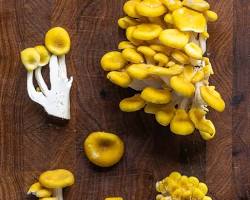
The Hidden Cost of Color: Why Golden Oyster Mushrooms are a Forest Threat
The Silent Arrival of a Golden Guest For many foraging enthusiasts and home cooks, the bright, sun-yellow caps of the Golden Oyster mushroom (Pleurotus citrinopileatus) are a prized find. They are beautiful, delicious, and incredibly easy to grow. However, researchers are now sounding the alarm: this popular fungus has escaped the kitchen and is staging a quiet takeover of North American forests.
A Decade of Rapid Expansion What started as a handful of sightings in the Midwest and Northeast in the early 2010s has exploded into a multi-state ecological concern. In just ten years, the Golden Oyster has marched across more than 25 states, recently making its way into the delicate ecosystems of Florida. This rapid spread isn’t just a natural fluke; it is being driven by human activity—specifically the sale of grow kits and the transport of cultivated mushrooms.
The Competitive Edge While a cluster of yellow mushrooms on a fallen log might look harmless, the reality beneath the bark is much more aggressive. Recent studies have shown that where the Golden Oyster takes hold, biodiversity drops. These “invasive microbes” act as fierce competitors, outmuscling native fungal species that are critical for wood decomposition and nutrient cycling. When the Golden Oyster moves in, it doesn’t just join the neighborhood—it takes over, leaving far fewer resources for the native fungi that forest health depends on.
Responsibility for the Modern Grower The “invasion” highlights a blind spot in how we view environmental threats. We often worry about invasive plants or insects, but microbial invasions can be just as devastating. For those who love cultivating their own food, the message isn’t to stop growing mushrooms, but to grow them responsibly.
Key Takeaways for a Greener Forest:
-
Containment is Key: If you are using grow kits, ensure they stay indoors or are disposed of in a way that prevents spores from reaching local woodlands.
-
Choose Native: Whenever possible, opt for mushroom species that are already native to your specific region.
-
Report Sightings: Use apps like iNaturalist to help scientists track the movement of these species in real-time.