











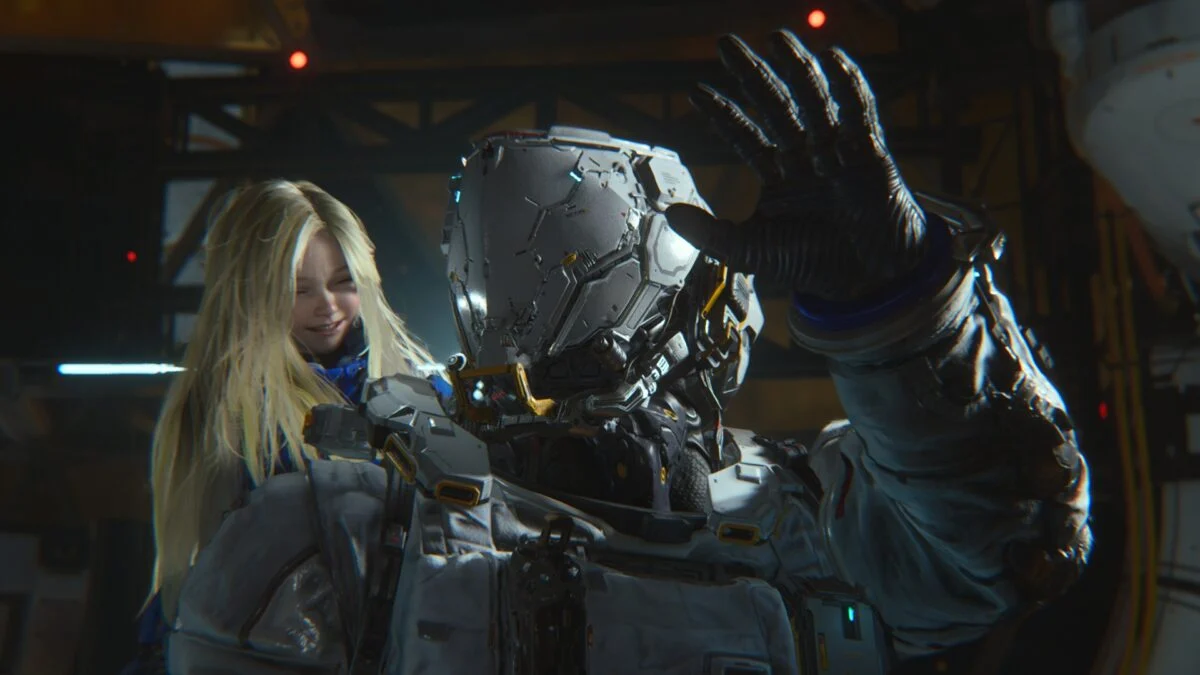
The Evolution of Difficulty: Pragmata and the “Get Gud” Debate
Capcom’s mysterious sci-fi title, Pragmata, has reignited one of the oldest debates in gaming: how hard should a game be? Kotaku explores the “Dispatch Games” philosophy, analyzing whether steep difficulty curves are a badge of honor for “hardcore” gamers or an unnecessary barrier to entry.
Pragmata’s Approach to Challenge
Recent dispatches regarding Pragmata’s gameplay suggest a return to high-stakes, precision-based combat. Unlike many modern titles that offer “Story Modes” or aggressive hand-holding, Pragmata seems to lean into a specific type of friction:
-
Mechanical Mastery: The game rewards players for learning frame-perfect timing and environmental awareness.
-
Consequence-Heavy Failures: Death isn’t just a minor setback; it requires a genuine reassessment of strategy, reminiscent of classic arcade-era difficulty.
The “Get Gud” Culture vs. Accessibility
The phrase “Get Gud” has long been the rallying cry for fans of difficult games (like the Souls series), but the discourse surrounding Pragmata adds a new layer.
-
The Argument for “Hard”: Proponents argue that overcoming a seemingly impossible challenge is the primary source of satisfaction in gaming. They believe that diluting the difficulty robs the player of the intended emotional payoff.
-
The Argument for Accessibility: Critics suggest that “Bad Difficulty”—artificial spikes or clunky mechanics—is often mistaken for a legitimate challenge. They advocate for more granular difficulty settings that allow everyone to experience the narrative.
The Verdict on “Good” Difficulty
The article posits that “Good” difficulty isn’t about how often you die, but rather how much you learn each time you do. If a game provides the player with the necessary tools and clear feedback, the challenge feels earned rather than frustrating. Pragmata appears to be walking this fine line, aiming to be a game that is tough but fair.