








The End of Apps? Why OpenAI Rumored “Agent Phone” Could Change Everything
The smartphone industry is buzzing with rumors that OpenAI isn’t just content with making software—it wants to build the hardware, too. Renowned tech analyst Ming-Chi Kuo recently suggested that the AI powerhouse is exploring the development of its own smartphone, a move that could fundamentally shift how we interact with technology.
A New Vision: Intelligence Over Interfaces
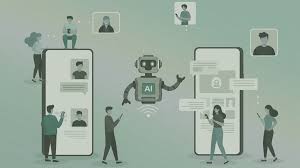
Current smartphones are “app-centric,” meaning you have to open a specific program for every task. OpenAI’s rumored device aims to be “agent-centric.” Instead of a screen full of icons, the phone would likely be controlled by a unified AI agent. This agent wouldn’t just answer questions; it would manage your schedule, book flights, and handle communication across various platforms in the background.
Why OpenAI Needs Its Own Hardware
While ChatGPT is already available on iOS and Android, OpenAI is currently limited by the rules and fees of Apple and Google. By building its own device, OpenAI could:
-
Deep Integration: Optimize the operating system and silicon (processors) specifically for AI workloads, leading to faster and more private “on-device” reasoning.
-
Direct Access: Establish a direct relationship with users without a “middleman” taking a cut of transactions or restricting features.
-
Contextual Mastery: Create a device that truly understands your daily life and habits to provide more proactive assistance.
The Massive Hurdles Ahead
Breaking into the phone market is notoriously difficult. Even giants like Amazon and Microsoft have struggled. OpenAI faces significant challenges:
-
The Hardware Learning Curve: Manufacturing a high-quality physical device with great cameras and battery life is a different beast than coding a chatbot.
-
Ecosystem Loyalty: Most users are deeply entrenched in the Apple or Android ecosystems, making it hard to convince them to switch to a completely new OS.
-
Privacy Concerns: An AI-first phone would require deep access to personal data to be useful, raising serious questions about surveillance and data security.
When Can We Expect It?
Reports suggest that mass production might not happen until 2028, with OpenAI allegedly working with partners like MediaTek and Qualcomm for the chips. While a full phone might be years away, we might see a smaller, experimental AI wearable or specialized device much sooner.