











The World is Losing the Fight Against Malaria: Can Drones and AI Turn the Tide?
Despite decades of progress, the global battle against malaria has hit a dangerous plateau. Rising drug resistance and the impact of climate change have led to a resurgence of the disease in many regions. However, a new frontier in medical technology is offering hope. NextBillion highlights how the integration of Drones and Artificial Intelligence (AI) is creating a high-tech “search and destroy” mission to eliminate malaria once and for all.
The Challenge of Stagnation
Traditional methods like bed nets and indoor spraying have saved millions of lives, but they are no longer enough. Mosquitoes are evolving to bite earlier in the evening and are developing resistance to common insecticides. To achieve total eradication, health organizations must move from passive protection to active intervention.
Drones: The Eye in the Sky
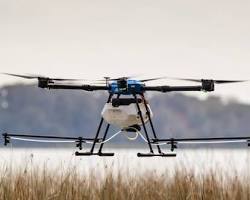
Drones are revolutionizing malaria control by reaching areas that are inaccessible to ground teams.
-
Precision Mapping: Drones equipped with multispectral cameras can identify small, hidden bodies of stagnant water where mosquitoes breed—sites often missed by satellite imagery or human scouts.
-
Larvicide Spraying: Instead of spraying entire villages, specialized drones can drop biological larvicides directly into breeding “hotspots.” This is faster, cheaper, and more environmentally friendly than traditional methods.
AI: The Brain of the Operation
Artificial Intelligence acts as the analytical engine that makes drone data actionable.
-
Predictive Modeling: AI algorithms analyze weather patterns, satellite data, and drone footage to predict where the next mosquito outbreak is likely to occur before it even starts.
-
Automated Identification: Using computer vision, AI can differentiate between different species of mosquitoes and even identify the presence of the malaria parasite in blood samples with incredible speed and accuracy.
A Scalable Future
The combination of these technologies allows for “precision public health.” By targeting the source of the problem with surgical accuracy, resources can be used more efficiently, particularly in underfunded rural areas. This tech-driven approach doesn’t replace traditional methods but enhances them, providing a powerful new toolkit for the final push toward a malaria-free world.