











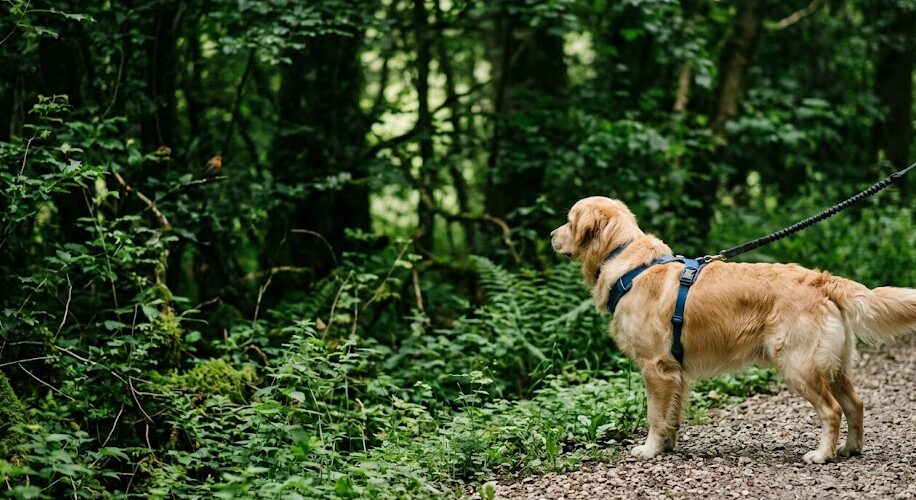
Man’s Best Friend or a Menace to Wildlife? Balancing Pet Ownership with Conservation
While we cherish dogs as our most loyal companions, The Nature’s Eye explores a challenging reality: the significant impact domestic dogs have on wildlife ecosystems. As the global dog population grows, their presence in natural habitats is increasingly becoming a conservation concern, requiring pet owners to rethink how they explore the great outdoors.
The Hidden Impact on Wild Species
A dog doesn’t have to catch an animal to cause harm. Their mere presence can trigger a “landscape of fear.”
-
Disturbance and Stress: The scent and sound of a dog can cause wildlife to abandon their nests, stop foraging, or expend vital energy fleeing from a perceived predator.
-
Disease Transmission: Domestic dogs can carry diseases like canine distemper or rabies, which can decimate local populations of foxes, wolves, and other wild canids.
-
Direct Predation: Even well-fed pets possess an ancestral hunting instinct. Ground-nesting birds, small mammals, and reptiles are particularly vulnerable to dog attacks.
The Sensitivity of Habitats
Many protected areas are home to endangered species that have no natural defense against domestic dogs. When dogs roam off-leash, they can trample delicate flora, disturb breeding grounds, and leave behind waste that alters the soil chemistry and introduces non-native nutrients into the ecosystem.
How to Be a Responsible Nature-Lover
Being a dog lover and a conservationist are not mutually exclusive. We can protect wildlife while still enjoying nature with our pets:
-
Respect Leash Laws: Keeping your dog on a leash is the single most effective way to prevent wildlife disturbance and keep your pet safe from potential hazards.
-
Stick to Designated Trails: Staying on the path minimizes the “human-plus-dog” footprint on the habitat.
-
Pack Out Waste: Always pick up after your dog. Dog waste is not part of the natural ecosystem and can introduce harmful bacteria and nitrogen.
-
Know the “No-Go” Zones: Some sensitive habitats are strictly off-limits to dogs. Respecting these boundaries allows wildlife a much-needed sanctuary to breed and thrive.
Conclusion
Dogs are a part of our families, but they are also “alien” predators in the eyes of wildlife. By practicing mindful ownership and respecting the boundaries of the wild, we ensure that our best friends remain a joy in our lives without becoming a threat to the biodiversity that makes the world beautiful.