









Navigating the Storm: The Biggest Business Challenges of 2026
The New Corporate Reality
As we move deeper into 2026, the “business as usual” approach has officially become a relic of the past. Companies today are facing a unique intersection of rapid technological evolution, shifting workforce expectations, and a volatile global economy. Understanding these challenges is no longer just for the C-suite; it’s a survival requirement for every level of an organization.
1. The Agentic AI Integration Gap
While AI was the “buzzword” of previous years, 2026 is the year of Agentic AI—systems that don’t just answer questions but take autonomous action. The challenge for businesses isn’t just buying the software, but restructuring their entire workflow to accommodate “digital employees” without losing human oversight or causing team burnout.
2. The Fragility of Global Supply Chains
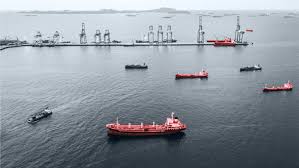
Geopolitical tensions and climate-related disruptions have made the old “just-in-time” inventory model incredibly risky. Businesses are now struggling with the high costs of “near-shoring” (bringing production closer to home) while trying to maintain competitive pricing in an inflationary market.
3. The Cybersecurity Arms Race
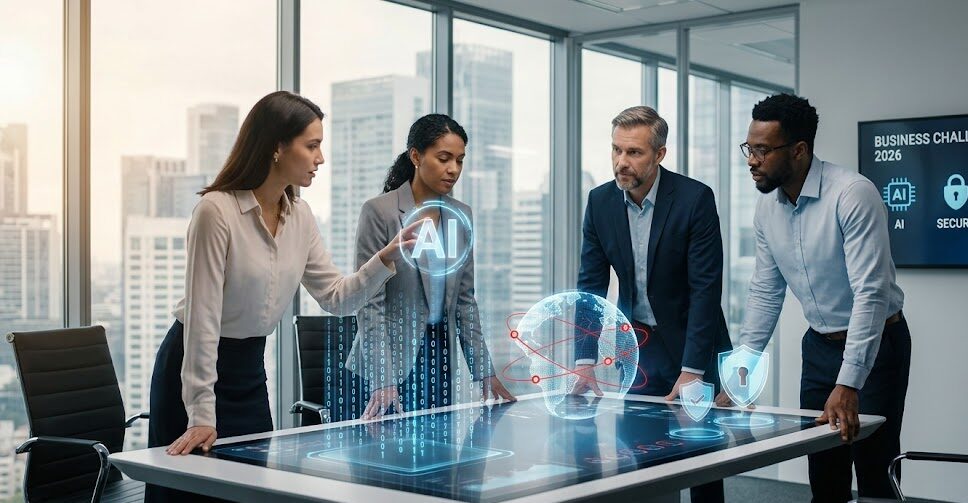
As AI becomes more sophisticated, so do the threats. In 2026, businesses are facing highly personalized phishing attacks and AI-driven ransomware. Protecting company data has moved from a “line item in IT” to a core pillar of brand trust. One breach in the current climate can result in a permanent loss of customer loyalty.
4. Talent Retention in the “Flexible” Era
The battle over remote vs. office work has evolved. The challenge in 2026 is managing a fragmented workforce while maintaining a strong company culture. Employees are no longer just looking for a paycheck; they are demanding clear social responsibility from their employers and a commitment to mental well-being.
5. Sustainability and Regulatory Compliance
“Greenwashing” is no longer possible. New 2026 regulations require granular reporting on carbon footprints and ethical sourcing. Small and medium enterprises (SMEs) are finding it particularly difficult to keep up with the administrative burden of these new global standards.
Conclusion: Turning Challenges into Opportunities
While the list of obstacles is long, the businesses that succeed in 2026 will be those that view these challenges as a catalyst for innovation. Whether it’s adopting self-healing data pipelines or prioritizing transparent leadership, the difficulties of today are shaping the resilient giants of tomorrow.