











Kiwi’s Triumph: National Icon Returns to New Zealand’s Capital
A century-long silence has been broken in the hills of Wellington. As of May 2026, a grassroots conservation movement known as the Capital Kiwi Project has achieved a historic milestone: the return of the wild kiwi to New Zealand’s capital city.
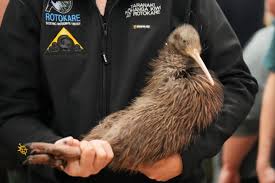
The project recently celebrated a major victory on April 28, 2026, when kiwi birds stepped foot inside New Zealand’s Parliament for the first time in history to mark a monumental achievement in biodiversity restoration.
1. The 250th Bird Milestone
The event at Parliament wasn’t just ceremonial; it marked the successful release of the 250th kiwi into the Wellington wilds since the project began its reintroduction phase in late 2022.
-
Parliamentary Welcome: Handlers carried seven new residents—including the “milestone” 250th bird—into the grand banquet hall. Lawmakers, Māori iwi (tribes), and schoolchildren gathered to witness the timid, nocturnal birds up close before their release into the hills.
-
A “Wild” Success: While the national goal for kiwi chick survival is typically 30% in the wild, the Wellington population has shattered records with an unprecedented 90% survival rate.
-
The Final Cohort: The seven birds released this week represent the final major cohort of the project’s initial reintroduction phase, bringing the total wild population in the capital’s fringes to 250.
2. Community-Led Defense: The “Handshake Test”
The project’s success is being hailed as a global model for “citizen conservation.” Founder Paul Ward notes that the project succeeded because it moved beyond government-only efforts to a community-wide mission.
-
Massive Trapping Network: Over the past decade, landowners and volunteers have installed more than 5,000 stoat traps across a 24,000-hectare tract of rugged farmland. This is currently the largest intensive stoat-trapping network of its kind in New Zealand.
-
Predator-Free Suburbs: Some parts of Wellington are now so well-monitored that they are entirely free of mammalian predators (except for household pets), allowing native birds to flourish alongside a major urban population.
-
Encountering the Icon: Kiwi are no longer “mythical” to Wellingtonians. Late-night mountain bikers and residents with backyard security cameras are now regularly spotting and hearing the birds in the hills surrounding the city.
3. Identity and Cultural Significance
The kiwi is more than just a bird; it is the core of New Zealand’s national identity.
-
Mana and Belonging: During the release, a traditional Māori karakia (prayer) was chanted to honor the spiritual relationship between the people and the land.
-
The 2050 Goal: This success is a major “proof of concept” for New Zealand’s ambitious Predator Free 2050 goal. It proves that even in a bustling capital city, biodiversity can be restored if the community takes ownership.
Kiwi Recovery Stats (Wellington 2026)
| Metric | Achievement |
| Total Released | 250 Wild Kiwi |
| Chick Survival Rate | 90% (World-Leading) |
| Habitat Size | 24,000 Hectares |
| Traps Managed | 5,300+ Stoat Traps |
| Time Since Last Wild Kiwi | ~100 Years |