


ChatGPT Images 2.0: Why India Is Leading the Global Creative Wave
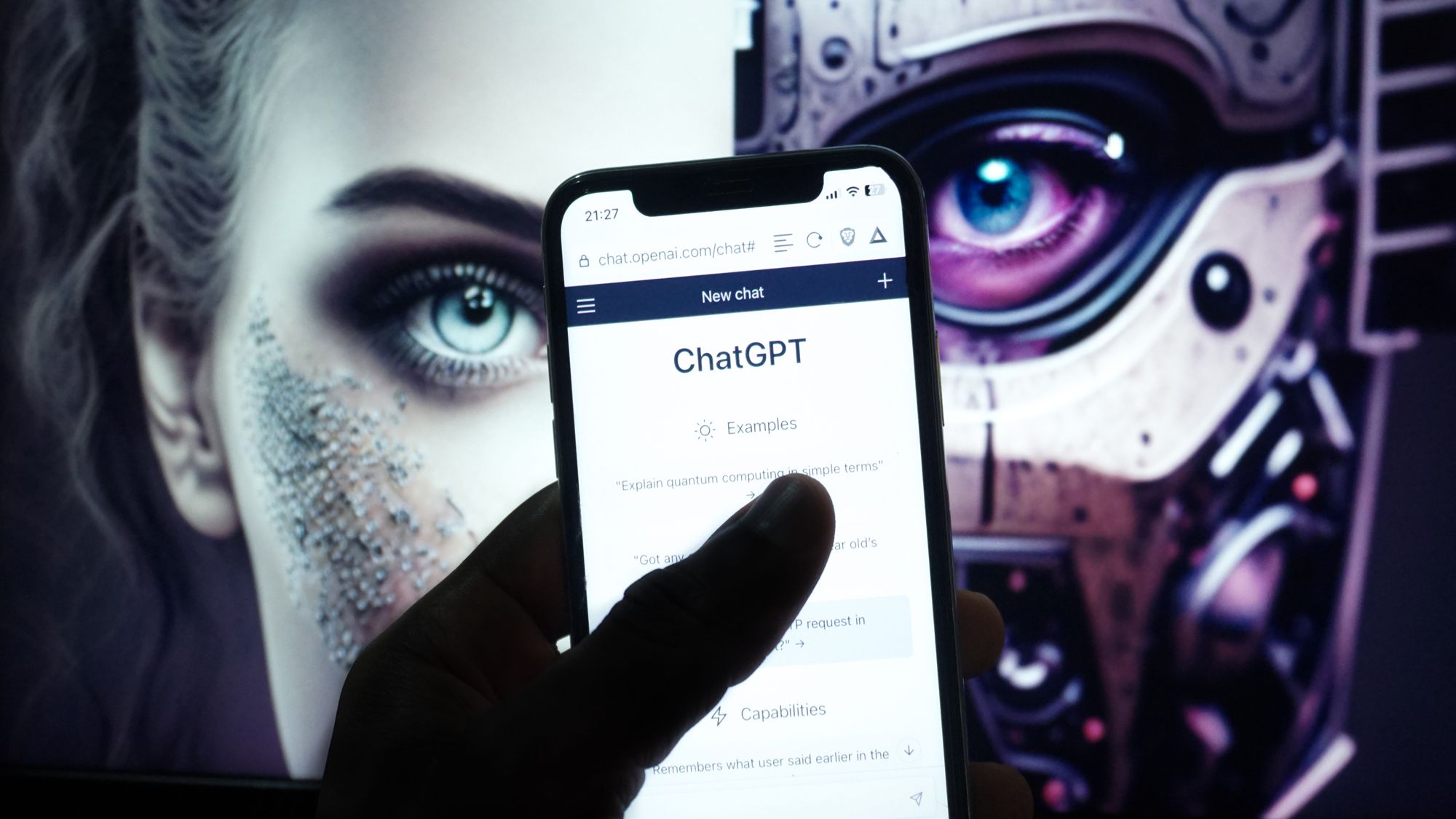
A surprising trend has emerged following the late April 2026 rollout of ChatGPT Images 2.0. While global adoption has been steady, India has unexpectedly skyrocketed to become the world’s largest market for the feature within just one week. According to reports from TechCrunch and OpenAI, Indian users aren’t just using AI for work—they are weaving it into the very fabric of their digital identity and social culture.
1. The Tech Behind the Trend: What’s New in 2.0?
The 2.0 update isn’t just a minor patch; it introduces “native reasoning” to image generation.
-
The “Thinking” Model: Unlike older versions, the model now “thinks” before it renders. It plans complex layouts, checks spatial logic, and can generate up to eight consistent images in a single go—keeping characters and lighting the same across all of them.
-
Localized Language Mastery: One of the biggest wins for the Indian market is the model’s vastly improved ability to render Hindi and Devanagari script. Users can now create memes, posters, and professional graphics with accurate local text, a feat previous AI models struggled with.
-
High-Resolution Output: The new engine supports up to 2K resolution and a wider variety of aspect ratios, from ultra-wide banners to tall social media stories.
2. The “India Effect”: From Utility to Identity
In Western markets, AI is often marketed as a productivity tool for “getting things done.” In India, the youth-driven demographic has turned it into a creative playground.
-
Anime & Manga Avatars: One of the top viral trends involves users transforming their selfies into stylized anime portraits or “King of Hell” style avatars, reflecting the massive popularity of series like One Piece.
-
The “Style Me” Revolution: Fashion-forward users are using the tool for “virtual try-ons,” generating AI outfits and “mood boards” to experiment with personal style before buying clothes.
-
Professional Branding: There is a huge surge in using the Universal Lighting feature to turn casual home photos into polished, studio-quality headshots for LinkedIn and portfolios.
3. Cultural Storytelling & Nostalgia
Indian users are finding unique ways to connect the new tech with their heritage:
-
Photo Restoration: A major “wholesome” trend involves uploading blurry or faded family photos and using the “Enhance” feature to breathe new life into vintage memories.
-
Fantasy & Folklore: From creating personalized Tarot cards to “Fantasy Newspaper” covers where the user is the headline, the tool is being used for digital storytelling.
-
Cinematic Collages: Users are leaning into “country-level” prompts like Y2K romantic portraits and cinematic movie-poster collages that mimic the aesthetic of popular Indian cinema.
4. Why the Rest of the World Is Slower to Adopt
While India leads the surge, markets in the US and Europe have seen a more “measured” uptick.
-
Productivity Focus: In many Western regions, the tool is still being evaluated for its “workplace utility” (e.g., creating slides or UI mockups) rather than for social self-expression.
-
Digital Saturation: In markets where AI image tools have been common for years, users may be waiting to see if 2.0 offers a significant enough “leap” over their existing workflows.
-
Market Growth: In contrast, emerging markets like Pakistan and Indonesia are mirroring India’s trend, with AI app downloads spiking by nearly 80% in late April.
5. What This Means for the Future
The success in India proves that the future of AI isn’t just about writing emails or coding—it’s about visual communication. By lowering the barrier to high-end design, ChatGPT Images 2.0 is allowing a new generation of creators to stand out in the crowded digital landscape of 2026.