











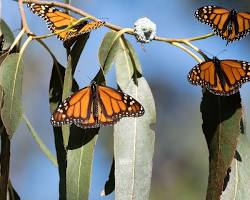
Silent Wings: The Crisis Facing North America’s Butterflies
The vibrant flutter of butterflies is becoming a rarer sight across North America. According to a detailed report by Smithsonian Magazine in April 2026, we are witnessing an ecological emergency. While the iconic Western Monarch is the “face” of this decline, a landmark study shows that nearly 20% of all butterfly species in the U.S. have vanished or significantly dwindled over the last two decades.
1. The Numbers: A Steep Descent
The decline is not just a feeling; it is backed by two decades of rigorous data.
-
Overall Loss: Between 2000 and 2020, butterfly populations across the United States declined by 22%.
-
The 90% Club: For 24 specific species—including the tailed orange, the West Virginia white, and the ruddy copper—the numbers have plummeted by 90% or more.
-
The Western Monarch Crisis: Once numbering in the millions, the Western Monarch population has a staggering 99% chance of vanishing by 2080 if current trends hold. The 2025-26 overwintering season recorded near-record lows.
2. “Death by a Thousand Cuts”
Scientists describe the collapse as a combination of several overlapping threats, rather than a single smoking gun.
-
Toxic Landscapes: Pesticides and insecticides are becoming more potent. A study of urban plants in New Mexico and California found that only 6% of plants vital to butterflies (like milkweed) were free of detectable pesticides. Most contained a “cocktail” of three or more chemicals.
-
Climate Instability: Intense droughts and record-high temperatures—particularly in the fall—prematurely end migrations and kill off the flowering plants butterflies need for fuel.
-
Habitat Fragmentation: As land is cleared for development or “industrialized” agriculture, the wild “corridors” that butterflies use to travel are disappearing.
3. A Glimmer of Hope in the East
While the Western Monarch is in dire straits, the Eastern Monarch (which migrates to Mexico) provided a rare bit of positive news in 2026.
-
Population Increase: The amount of habitat occupied by overwintering Eastern Monarchs increased by 64% compared to the previous year.
-
Conservation Works: This rebound suggests that when habitat restoration and pesticide reduction are prioritized, these resilient insects can bounce back.
4. New Tech for Tiny Travelers
To better understand how to save the species, researchers are using cutting-edge tools:
-
Radio Tags: In late 2025, scientists began placing ultralight radio tags on monarchs to track their exact movements in real-time.
-
Isotope Mapping: By testing the atomic signatures in butterfly wings, scientists can map exactly where a butterfly was born and what milkweed it ate, helping them identify which specific patches of land are most critical to protect.
5. Why Butterflies Matter
Butterflies are “indicator species”—their health reflects the health of the entire ecosystem. They are vital pollinators and a primary food source for birds and other wildlife. Protecting the monarch isn’t just about saving one beautiful insect; it’s about safeguarding the biodiversity of the entire continent.