









The Spark of Curiosity: How Childhood Hobbies Shape Future Scientists
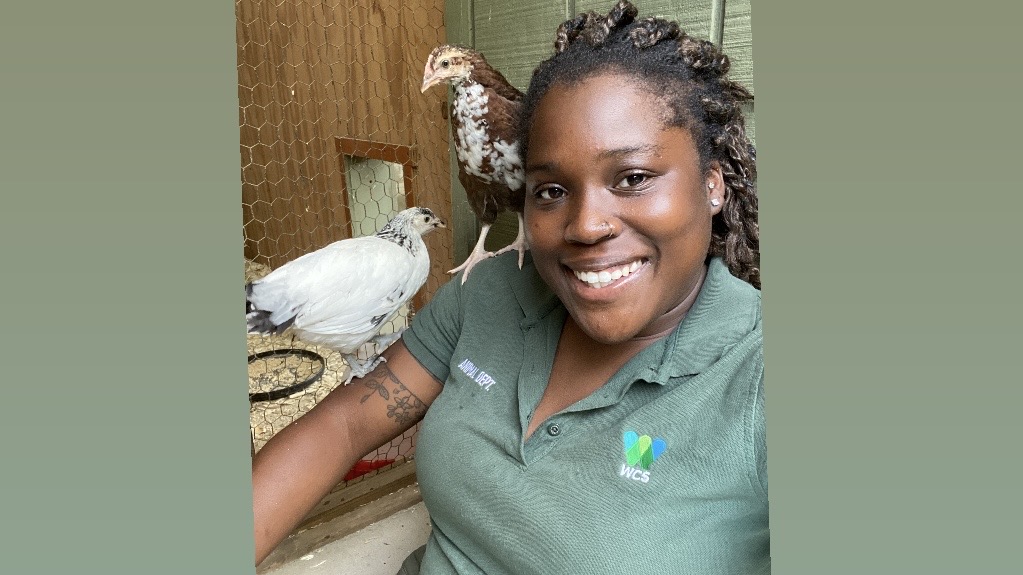
The Power of a “Starter Pack” Long before she was a professional conservationist, T’Noya Thompson was a young girl fascinated by the natural world. Her entry point wasn’t a laboratory or a remote expedition, but a collection of Wildlife Treasury cards. These cards, which featured animals from every corner of the globe, served as her first “encyclopedia,” fueling a passion for species she had never seen in person.
Finding Her Place in the Field Despite her early interest, the path to a career in science wasn’t always clear. Thompson notes that for many young people—especially those from underrepresented communities—it can be difficult to envision a career in conservation when they don’t see themselves reflected in the field.
-
The Turning Point: Her passion for the ocean eventually led her to study marine biology, where she transitioned from observing animals on cards to working directly with them in the wild.
-
The Mission: Today, Thompson works to bridge the gap between science and community, focusing on how we can make conservation more inclusive and accessible to everyone.
Lessons from the Journey Thompson’s story offers several takeaways for aspiring environmentalists and educators:
-
Nurture Early Curiosity: Whether it’s cards, stickers, or backyard bug-hunting, childhood hobbies are often the foundation of a scientific mind.
-
Mentorship Matters: Having someone to guide and encourage a student’s interests can be the difference between a passing phase and a lifelong career.
-
Diverse Perspectives: Conservation is most effective when it includes voices from various backgrounds, as local communities often hold the key to long-term environmental solutions.
Advocating for the Future Now a leader in the conservation space, Thompson uses her platform to ensure the next generation of “card collectors” has the resources and representation they need to become the next generation of “forest guardians.” Her work serves as a reminder that the future of our planet depends on our ability to inspire and empower diverse voices in science.