










Turning Borneo’s Residents into Paid Eco-Observers
The KehatiKu Experiment: Conservation via “Citizen Paychecks”
In May 2026, Mongabay founder Rhett Ayers Butler detailed a groundbreaking conservation model in Borneo’s Kapuas Hulu district. The project, titled KehatiKu, replaces traditional “command-and-control” protection with a direct financial incentive for the people who live closest to the forest.
The “$1-per-Hectare” Breakthrough
Managed by the scientific consultancy Borneo Futures, the program is making waves for its extreme cost-efficiency.
-
The Cost: The initiative spends less than $1 per hectare (approx. 40 cents per acre) annually to monitor a 200,000-hectare area.
-
The Workforce: Over 800 observers across nine villages are currently active, submitting between 300 to 400 sightings per day.
-
The Mechanics: Participants use a mobile app to upload photos, audio, or video of wildlife. Once verified, payments are distributed monthly.
The Payout Structure: A Bounty for Life
The program incentivizes rarity, ensuring that the harder an animal is to find, the more it is worth protecting.
-
Common Sightings: A few thousand Indonesian Rupiah (approx. $0.30) for common birds like the Greater Coucal.
-
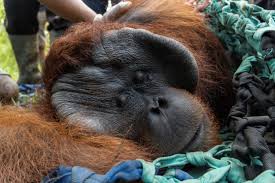
High-Value Sightings: Verified photos of a Bornean Orangutan can earn a participant 100,000 Rupiah (nearly $6).
-
Economic Impact: For some dedicated participants, these sightings have become a primary source of income, often exceeding local average wages.
Behavioral Shift: From Hunting to Protecting
The most significant result of the 2026 study isn’t just the data—it’s the cultural change within the villages:
-
Informal Bans: Several villages have moved to discourage or outright ban hunting and trapping, as animals are now “worth more alive” as recurring photo opportunities.
-
Conflict Mitigation: Farmers who previously viewed orangutans as pests for raiding crops now see them as a “paying guest” that provides an immediate cash reward for a single photograph.
-
Real-Time Monitoring: The sheer volume of daily sightings provides biologists with a “live feed” of biodiversity health that traditional, expensive surveys could never replicate.