






The “Turbo Button” Return: Windows 11’s Low Latency Profile Aims to End UI Lag
The Windows 11 “Low Latency Profile”: A High-Speed Interaction Overhaul
In May 2026, reports from Ars Technica and Windows Central revealed that Microsoft is testing a significant under-the-hood performance feature for Windows 11 known as the “Low Latency Profile.” Part of a broader engineering push internally dubbed “Windows K2,” this feature is designed to fix the “emotional lag” users feel when the interface stutters, regardless of how powerful their hardware is.
The Tech: “Race to Idle” for the UI
The Low Latency Profile isn’t a continuous overclock; it’s a sophisticated adjustment to the Windows scheduler.
-
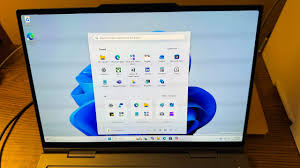
The 3-Second Burst: When the system detects a “high-priority interaction”—like clicking the Start Menu, opening File Explorer, or right-clicking—it instantly spikes the CPU to its maximum frequency for 1 to 3 seconds.
-
Reduced “Ramp-Up” Time: Traditionally, CPUs wait for a load to increase before scaling up power. This profile eliminates that hesitation, providing peak power the millisecond a click is registered.
-
Minimal Impact: Because the bursts are so short, early testing suggests no significant impact on battery life or thermal throttling. The CPU “races” to finish the UI task and then immediately returns to a low-power idle state.
The Performance Gains
Early benchmarking on Windows Insider builds has produced dramatic results, especially on budget-tier hardware:
-
Start Menu & Context Menus: Up to 70% faster response times.
-
Inbox Apps (Edge, Outlook, etc.): Up to 40% faster launch times.
-
Third-Party Apps: Noticed improvements in heavy applications like Photoshop and Steam, which often “hitch” during their initial splash screen loading.
The Controversy: Optimization vs. Brute Force
The feature has sparked a heated debate within the tech community:
-
The “Lazy Fix” Argument: Critics argue that Microsoft should be “de-bloating” the Windows 11 code (which has become heavy with web-based UI and AI hooks) rather than simply whacking the CPU with more power to hide the lag.
-
The “Standard Practice” Defense: Microsoft VP Scott Hanselman defended the move, noting that macOS and Android have used similar “quality of service” bursts for years. He argued that “responsiveness is the product,” and using the hardware’s full capability for interactive tasks is simply smart engineering.