










Is Your Spare Room the Next AI Hub?
The Decentralized Data Boom: Hosting the AI Revolution at Home
On May 12, 2026, Ars Technica highlighted a disruptive shift in the AI infrastructure wars. As leading tech companies prepare to invest over $765 billion into traditional data centers this year, they are hitting a wall: a lack of power, cooling, and space. The solution being pitched by a new wave of startups? Decentralized physical infrastructure (DePIN)—essentially “Uber-izing” the data center by placing mini-servers in residential homes.
The Pitch: Why Host a Mini Data Center?
Startups are enticing homeowners with a “win-win” scenario that addresses the massive compute deficit:
-
Passive Income: Residents are compensated (often in fiat or crypto tokens) for the electricity and space their “home node” consumes.
-
Free Heating: Since AI chips generate immense heat, some companies are rebranding these servers as “smart heaters” that provide free warmth for homes in colder climates while processing LLM queries.
-
Edge Computing: By spreading servers across a city, AI applications can achieve lower latency—meaning your local AI assistant might respond faster because its “brain” is literally down the street.
The Logistics of a “Home Node”
These aren’t just standard PCs; they are specialized, ruggedized units designed for 24/7 uptime:
-
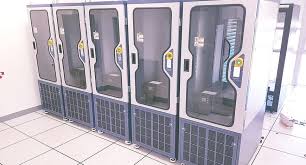
The Hardware: Small, quiet-fan or liquid-cooled boxes containing high-density GPUs or specialized AI ASICs.
-
Connection: They typically require a high-speed fiber connection to stay synced with the global network.
-
The “Host” Duty: The resident’s only job is to provide the “plug” and the “pipe” (power and internet).
The Hidden Costs & “Nope” Factor
While the pitch sounds futuristic, critics and tech enthusiasts on platforms like Mastodon and Hacker News are sounding the alarm:
-
Electricity Arbitrage: In many regions, the cost of home electricity is higher than industrial rates. If the startup’s payout doesn’t cover the surge in the resident’s utility bill, the “passive income” becomes a net loss.
-
Fire and Safety: High-performance chips are a fire risk. Critics worry about the liability of placing “computing furnaces” in residential buildings without industrial-grade fire suppression systems.
-
Noise Pollution: Even “quiet” fans can produce a high-pitched whine that becomes unbearable in a small apartment.
-
The “Servitude” Argument: Skeptics call this the “tech-bro version of indentured servitude,” where the homeowner takes on all the physical risk (heat, noise, fire, wear and tear on home wiring) while the AI company reaps the massive compute profits.