











Bears vs. Caribou: The High-Stakes Legal War Over Alaska’s “Mulchatna” Kill Program
Alaska’s Predator Control: The Mulchatna Bear Cull Proceeds
On Wednesday, May 6, 2026, Alaska Superior Court Judge Adolf Zeman issued a significant ruling in the ongoing battle over the Mulchatna predator control program. The decision denies a request from conservation groups to halt the state’s plan to kill black and brown bears from helicopters, allowing the Alaska Department of Fish and Game (ADFG) to move forward with the cull across nearly 40,000 square miles of southwest Alaska.
The Conflict: Predator vs. Prey
The core of the state’s argument is the survival of the Mulchatna caribou herd, a vital food source for Alaska Native hunters and local communities.
-
The Decline: The herd has plummeted from a peak of 190,000 animals in the late 90s to roughly 16,000 today. Hunting has been banned since 2021.
-
The Strategy: State officials argue that bears and wolves prey heavily on caribou calves during the spring. By “removing” predators, they hope to give the herd a chance to rebound to a sustainable hunting level (30,000–80,000 animals).
-
The Scale: Between 2023 and 2025, the program already resulted in the killing of approximately 186 brown bears, five black bears, and 20 wolves.
The Court’s Reasoning: “Consumptive Interests”
Judge Zeman’s 23-page order centered on the “probable-success-on-the-merits” standard.
-
Subsistence Priority: The judge noted that blocking the program would cause “substantial harm” to subsistence hunters who rely on the caribou for food. These interests, he ruled, cannot be easily indemnified if the recovery is delayed.
-
Scientific Basis: While activists call the program “scientifically baseless,” the state argues it took a “hard look” at bear population data. The judge found the state’s interest in herd recovery outweighed the environmentalists’ concerns during this specific litigation phase.
-
Calving Season Urgency: The timing is critical—the cull is designed to happen right now (May/June) to coincide with the birth of caribou calves.
The “Unlawful” Allegations
The Alaska Wildlife Alliance (AWA) and the Center for Biological Diversity maintain that the state is acting in bad faith:
-
Constitutional Violation: They cite the “Sustained Yield Clause” of the Alaska Constitution, which requires wildlife (including bears) to be managed as a protected public resource maintained in perpetuity.
-
Irreversible Harm: Activists fear that by the time the lawsuit is fully resolved, hundreds of bears—including cubs—will have been slaughtered, a loss that “cannot be undone.”
-
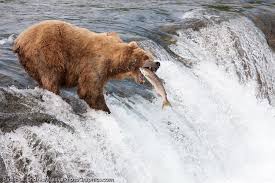
Katmai Concerns: Critics warn that the cull area borders Katmai National Park, potentially threatening bears that are world-famous for their salmon-fishing at Brooks Falls.