






Android and iPhone Finally Get End-to-End Encryption
Privacy Without Borders: The Arrival of Cross-Platform E2EE
On May 11, 2026, TechCrunch and Google officially announced a historic milestone in mobile security: End-to-End Encryption (E2EE) is now rolling out for RCS (Rich Communication Services) messages sent between Android and iPhone devices. This update finally bridges the security gap that has existed for over a decade, ensuring that your data stays private regardless of which phone you or your friends use.
Why This Matters: The End of “Postcard” Texting
Before this update, texting between an Android and an iPhone was inherently insecure.
-
The Old Way: Messages were often downgraded to SMS or unencrypted RCS. This meant that mobile carriers or anyone with the right surveillance tools could theoretically intercept and read the content in transit.
-
The New Way: With E2EE, your message is “scrambled” on your phone and can only be “unscrambled” by the recipient’s phone. Even Apple, Google, and your wireless provider cannot see the contents.
How to Know You’re Secure
You don’t have to dig into your settings to turn this on; it is enabled by default for users on the latest software.
-
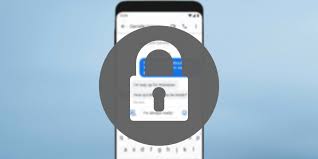
The Lock Icon: In Google Messages, you will see a small padlock icon next to the “RCS Message” label in your text box. On iOS 26.5, Apple will display a “Text Message · RCS | Encrypted” label.
-
The Requirements:
-
Android Users: Must be on the latest version of Google Messages.
-
iPhone Users: Must be running iOS 26.5 (beta) on a supported carrier network.
-
-
The Rollout: This is a gradual release. If you don’t see the lock icon yet, ensure your apps and OS are fully updated and wait for the server-side switch to reach your device.
The Technical Backbone: A Cross-Industry Victory
This wasn’t just a simple software patch. It required the GSMA (the global body for mobile operators) to integrate encryption directly into the RCS Universal Profile standard.
-
Open Foundation: Unlike iMessage or WhatsApp, which use proprietary silos, this encryption is built on an open, globally recognized foundation.
-
Feature Parity: Beyond just security, you still get all the modern features: typing indicators, read receipts, high-resolution media sharing, and emoji reactions.
-
Regulatory Win: This move is widely seen as a response to global regulatory pressure (particularly from the EU) to make big tech platforms more interoperable and secure.