








Rajnath Singh Assures India is “Energy-Secure” Despite West Asia Conflict
India “Secure” Amid Conflict: Defence Minister Reviews Energy Stock
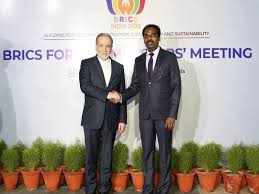
On May 11, 2026, Defence Minister Rajnath Singh chaired the fifth meeting of the Informal Group of Ministers (IGoM) at Kartavya Bhawan-2 in New Delhi. The meeting was specifically called to review India’s readiness as the West Asia crisis (the U.S.-Iran conflict) enters its third month. Singh assured the nation that despite the escalating regional tensions, India remains energy-secure with a robust buffer of essential petroleum products.
The Strategic War Chest
To calm market speculation and prevent panic buying, the Ministry of Defence released specific figures regarding India’s current rolling stock:
-
Crude Oil: 60 days of reserves.
-
Natural Gas: 60 days of reserves.
-
LPG (Cooking Gas): 45 days of rolling stock.
Singh emphasized that while most other nations have already implemented “emergency measures” to drastically ration fuel, India’s supply chain remains fully operational and uninterrupted.
The High Cost of Security
While supply is not an issue, the fiscal burden remains a significant concern. The IGoM noted:
-
Price Stability: India is among the few countries where petroleum prices have held steady for over 70 days despite global volatility.
-
The Subsidy Burden: Insulating the public from these shocks is costing the government between ₹1,600 and ₹1,700 crore per day.
-
Fertilizer Readiness: For the Kharif 2026 season, the government has already secured 51% of the required fertilizer stock (199.65 LMT), significantly higher than the usual 33% at this time of year.
A Call for “Judicious Use”
The meeting reinforced the appeal made by Prime Minister Narendra Modi on May 10. While there is no “shortage,” the government is encouraging an “austerity drive” to protect India’s foreign exchange reserves.
-
Work from Home: Re-adoption of remote work to reduce diesel/petrol demand.
-
Public Transit: Encouraging the use of Metro and Electric Vehicles.
-
Prudence: Reducing “wasteful consumption” to lower the nation’s overall fiscal deficit during the conflict.