










How the Iran-Israel Conflict is Rewiring Global Energy
Energy Under Fire: The Geopolitics of Oil in May 2026
As reported by The New York Times on May 10, 2026, the escalating conflict between Iran and Israel has sent shockwaves through the global energy markets. With Brent Crude hovering near the $95–$100 mark, analysts are warning that any further escalation could push prices into triple digits, echoing the supply shocks of the 1970s.
The “Hormuz Factor”: A Global Chokepoint
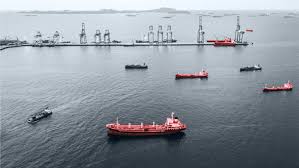
The primary fear driving the current price surge is the potential disruption of the Strait of Hormuz.
-
The Volume: Roughly 20% of the world’s total oil consumption passes through this narrow waterway daily.
-
The Threat: Iranian officials have renewed threats to “impede” maritime traffic if their energy infrastructure is targeted.
-
The Market Reaction: Energy giants like ExxonMobil and Chevron saw their stock prices climb by 3.5% in pre-market trading as investors seek “safe haven” assets within the commodities sector.
Three Scenarios for the 2026 Oil Market
At zyproo.online, we analyze the “logic gates” of global trade. The NYT identifies three potential paths:
-
Limited Escalation (Status Quo): Prices stay between $90–$105. The market prices in a “war premium” but global supply remains largely intact.
-
Infrastructure Strikes: If Iran’s oil terminals at Kharg Island are hit, global supply drops by 3 million barrels per day. Prices could spike to $120+ almost instantly.
-
The Diplomatic Pivot: A coordinated release from the Strategic Petroleum Reserve (SPR) by the U.S. and its allies could dampen the rally, though the SPR is currently at its lowest level in decades.
The Economic Blowback
The surge in oil isn’t just about gas prices; it’s an “inflation accelerant”:
-
Transportation Costs: Logistics companies are already preparing to reintroduce “fuel surcharges” for summer deliveries.
-
The Fed’s Dilemma: Rising energy costs make it nearly impossible for the Federal Reserve to justify cutting interest rates, potentially locking the U.S. into a “higher for longer” cycle through the end of 2026.